

Think fast. Stop faster.

Brake FAQ

All The Braking Basics

How do brakes work?

There’s quite a bit going on when you’re bringing your vehicle to a safe and precise stop.

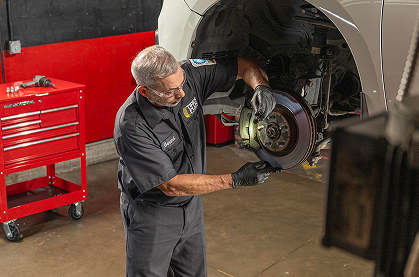
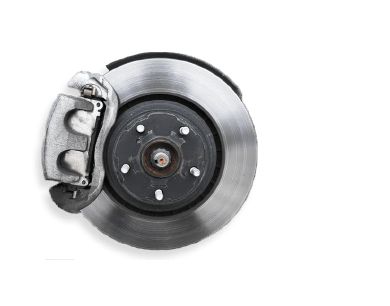
Simply put, when you press down on the brake pedal, that tells the cylinders to supply brake fluid to your calipers so they can power your brake pads. Pressure from your brake pads are then applied to your rotors, providing the right amount of friction necessary to stop your car.

All these brake parts have one very important goal: To bring your car to a stop with great precision—every time.

What is a Brake Inspection?

How often should I have my brakes inspected?

What are brake pads?

What’s a rotor?

What’s a caliper?

What exactly is brake fluid?

What’s a brake hose?

Brake Problems and Symptoms

Why is it important to get my brakes inspected at the first sign of a symptom?

Hearing abnormal sounds? Smelling foul odors emitting from your tires? Feeling pulsations when you brake at high speeds? If any of these apply to your vehicle, your best move is to get your brakes inspected before more expensive parts wear down due to metal on metal grinding. The most common problem we find are rotors that are warped and damaged when worn out brake pads and shoes haven’t been replaced, ultimately shortening the life of healthy parts due to the metal on metal friction that occurs.

Take note of these sounds, smells and sensations that scream ’brake problem’:

  • Screeching, squealing, grinding and other awful braking sounds are the main symptoms warning you that your brake pads & shoes should be inspected right away. The sooner you stop in, the better your odds of addressing worn down pads and shoes before they affect other more costly parts, resulting in more expensive repairs that could have possibly been avoided.
  • Vibration and pulsation traveling through your brake pedal and steering wheel. When you brake, are you shaking along with it? If this feeling applies to you, your brake system is giving you a pretty big hint to its worn down condition. Driving with this problem can not only warp your rotors from metal on metal rubbing, but it can also turn a small brake repair into big and expensive repair territory. Stop in to Tires Plus as soon as possible if you are noticing this severe symptom.
  • Braking functions requiring more brake pedal pressure. If you notice you’re pressing your brake pedal farther than normal in order to stop your vehicle, you’ve entered the beginning stages—and one of the first signs—of brake pad wear. Although this symptom is not as common today as it was in the past, this should never go unchecked. Don’t press your luck. The farther you press down your brake pedal, the closer your car is to an "I can’t brake" situation. Scary.
  • That noxious smell coming from your tires is a cry for help in the form of foul odor. If you start sensing awful smells coming from your tires, do not drive your vehicle any further than to the nearest brake repair bay. These nasty smells you’ve detected could have dangerous consequences if you delay inspection. The safe bet is to have us perform a brake inspection to determine which part of your braking system has been affected and in need of immediate repair.
  • Brake warning light. If this light appears, your best insurance to what triggered this warning is to visit your nearest Tires Plus location. We’ll perform a free brake inspection to make sure it’s not just a glitch in your computer system.

What other warning signs can I look for if I think my brakes are wearing out?

How can I ensure my rotors last longer?

Can you tell me the life expectancy of the rotors, brakes, pads, calipers, etc. you install?

Stop in for Expertise

How does your brake service differ from other auto repair facilities?

Well, for starters, our expertise in Tires just so happens to play a big role in our knowledge of brakes. You could say it gives us an upper hand on the competition. Because when you have a tire expert operating on the brakes responsible for every stop you make, you also have a knowledgeable hand that’s experienced with all the intricacies of your braking system. We have Tires Plus locations nationwide with the added bonus of extended weekend and evening hours to get your brakes checked out. You’ll also have the convenience of having a warranty that’s covered at all our Tires Plus locations nationwide. Now that’s a plus!

Schedule an appointment at Tires Plus for a Brake Inspection today.

How many brake services do you provide?

Which brake parts manufacturer(s) do you install?

The Tires Plus Brake Technician & Process

How do Tires Plus technicians inspect brakes?

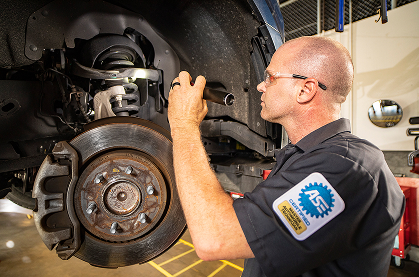
Here at Tires Plus, we take just as much pride in our tire expertise as we do in the brake components that play a role in your ability to stop with ease and confidence. Ask for our Free Brake Inspection and our brake techs will uncover most all braking issues, big or small by checking out the various brake components on your ride. We boast over 1,500 ASE certified brake technicians. Rest easy knowing each Tires Plus store has the most knowledgeable and trusted brake technicians handling all your braking needs.

What do your ASE certified brake techs have to do to become brake specialist certified?

What is MAP?

What do the Red, Yellow and Green color codes mean on the inspection form?