


Get An Oil Change
Your Nearest Store:
4700 N Brandywine Dr
Peoria, IL
309.340.4981
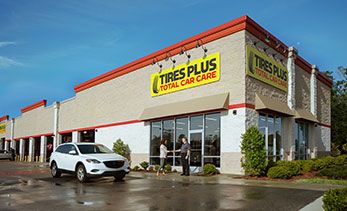
Most stores are open nights and weekends
| Day(s) | Hours |
|---|---|
| MON-FRI: | 7:00am-7:00pm |
| SAT: | 7:00am-6:00pm |
| SUN: | 9:00am-5:00pm |
| July 4th: | Closed |
Schedule Service
Your Nearest Store:
4700 N Brandywine Dr
Peoria, IL
309.340.4981
Most stores are open nights and weekends
| Day(s) | Hours |
|---|---|
| MON-FRI: | 7:00am-7:00pm |
| SAT: | 7:00am-6:00pm |
| SUN: | 9:00am-5:00pm |
| July 4th: | Closed |
Search For Batteries
All fields are required
Alignment Service
All fields are required
BRIDGESTONE TIRES AT TIRES PLUS
FIND BRIDGESTONE TIRES AT GREAT PRICES. GET CAR, TRUCK & SUV TIRES FROM ONE OF THE LEADING TIRE BRANDS AT TIRES PLUS.
Bridgestone Tires
PROUD TO CARRY THE WORLD'S BEST TIRES
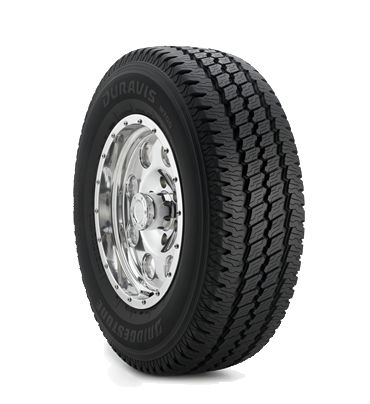
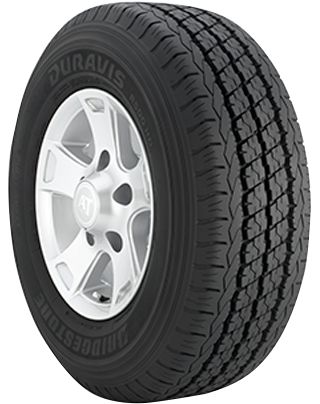
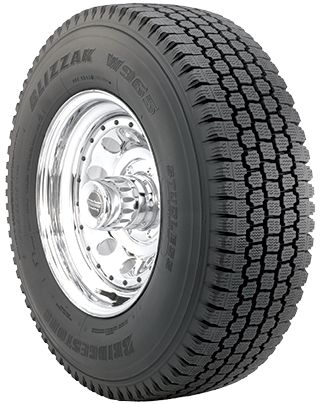

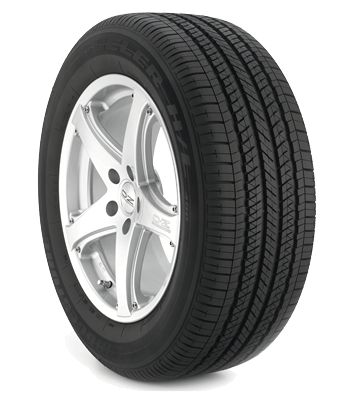

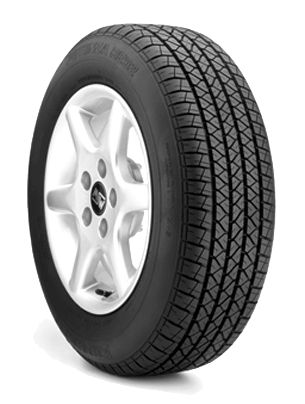
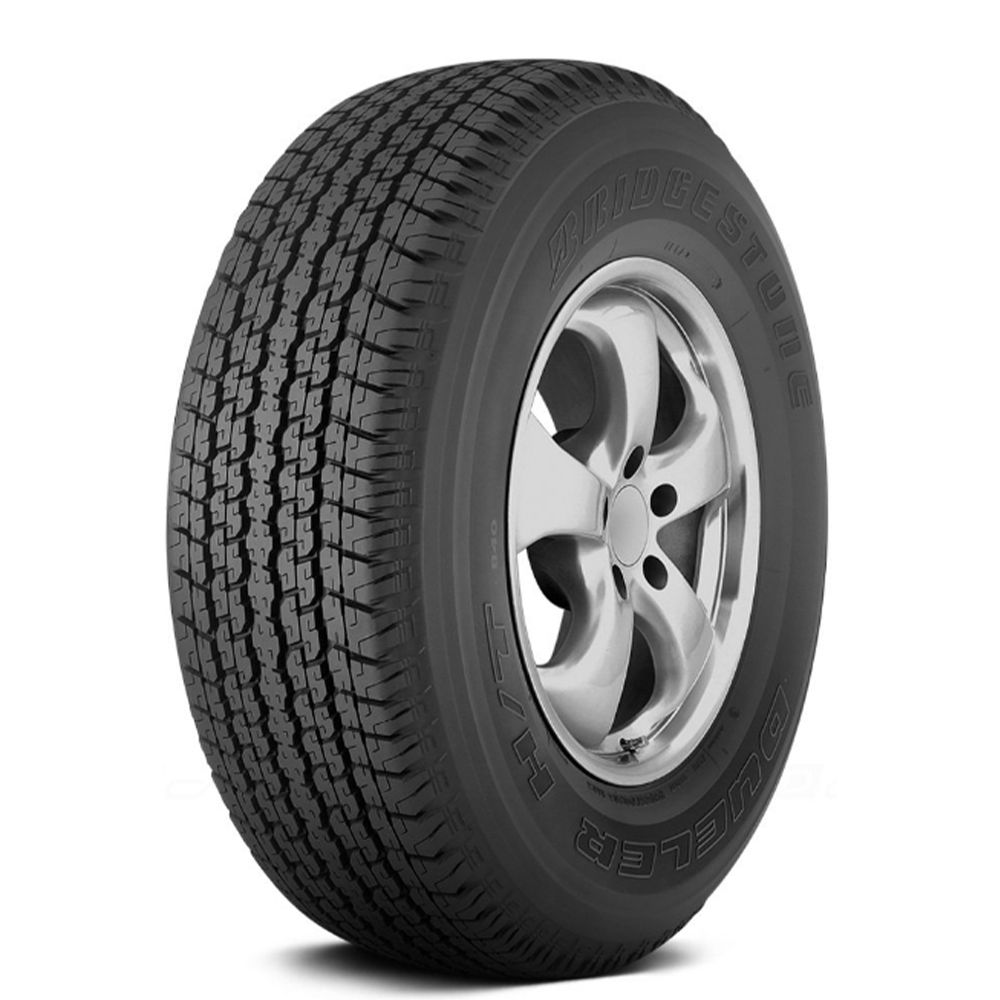

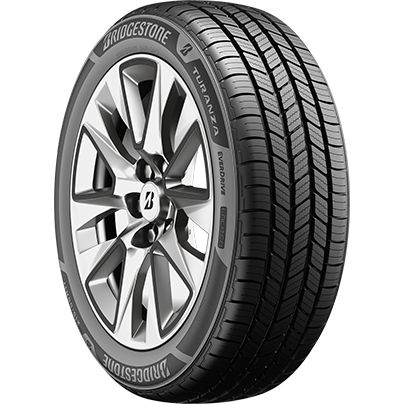

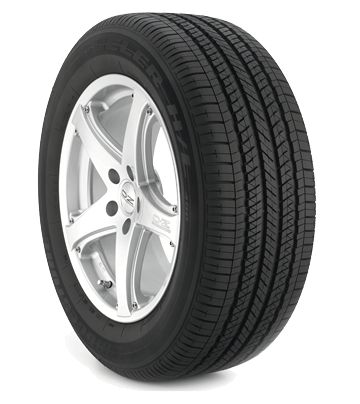
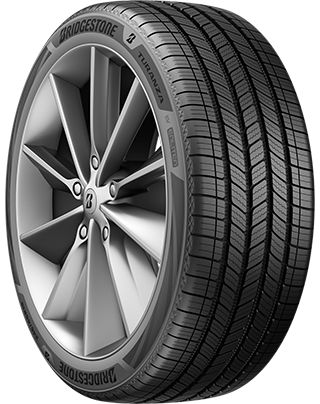

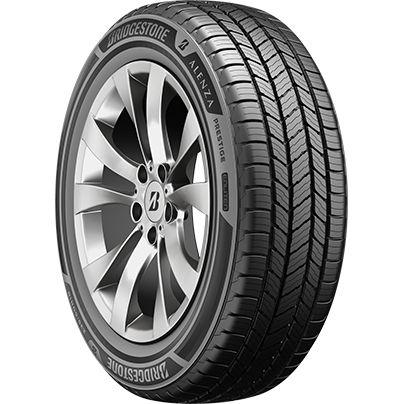

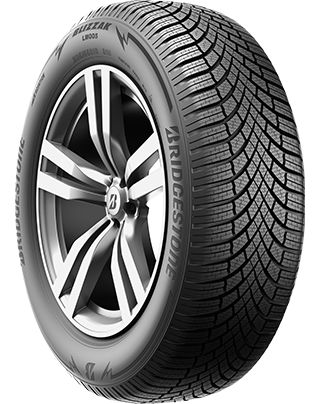
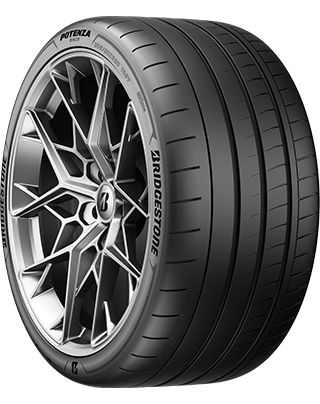
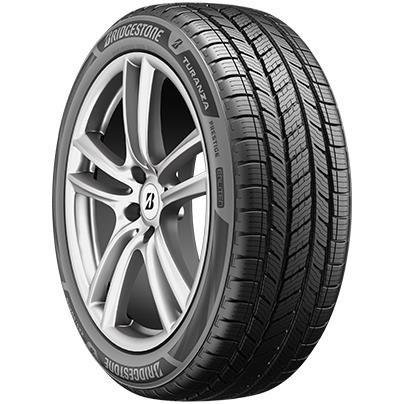
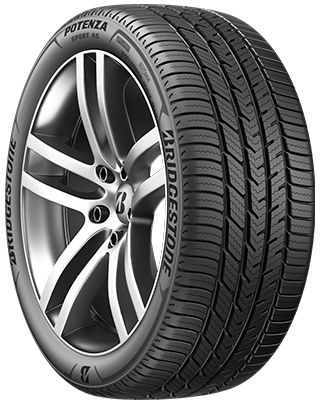
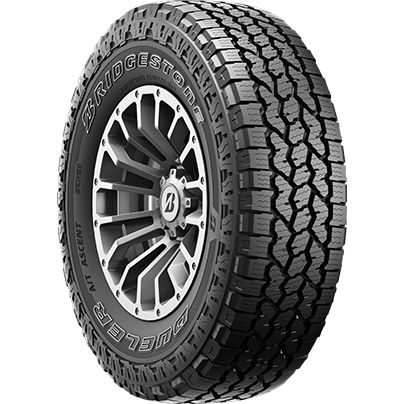

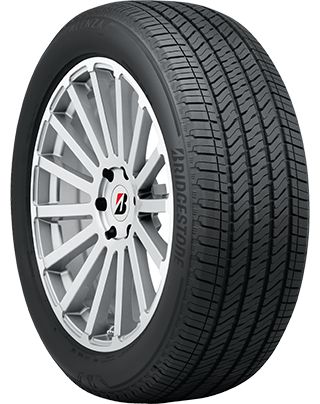
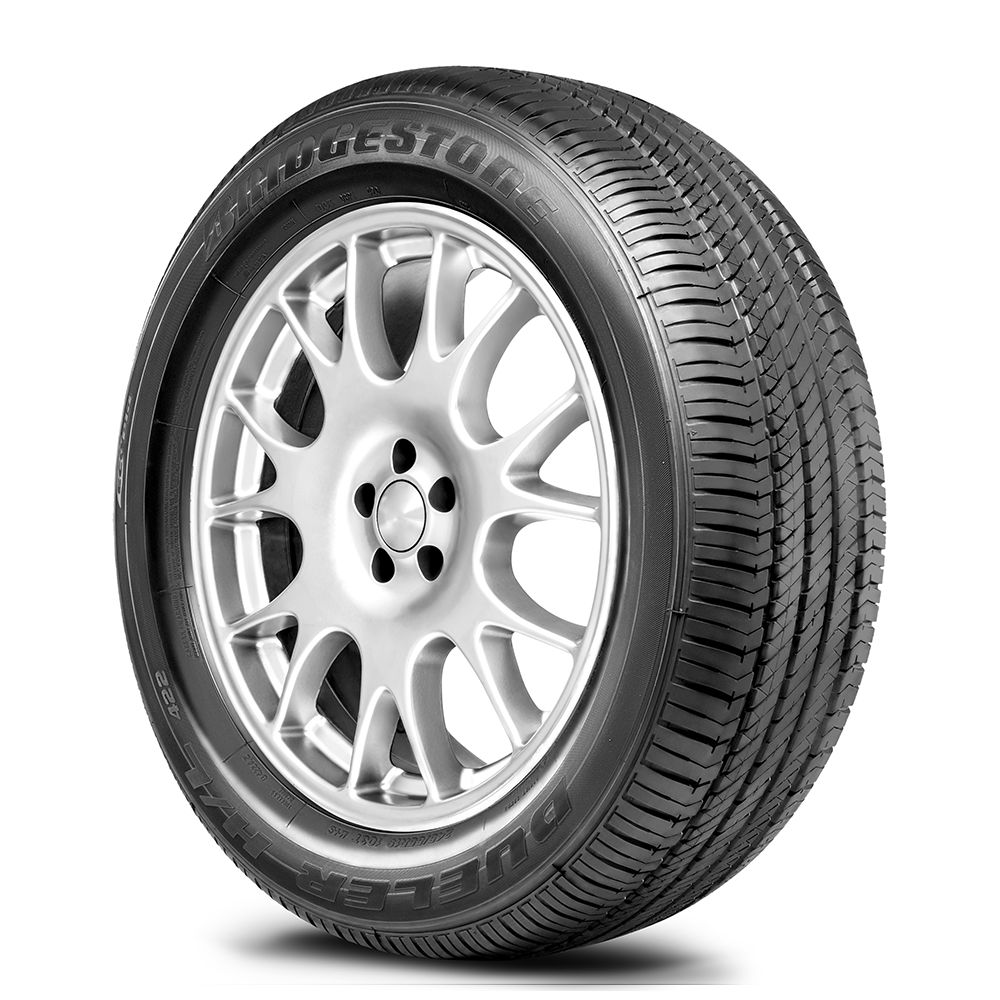
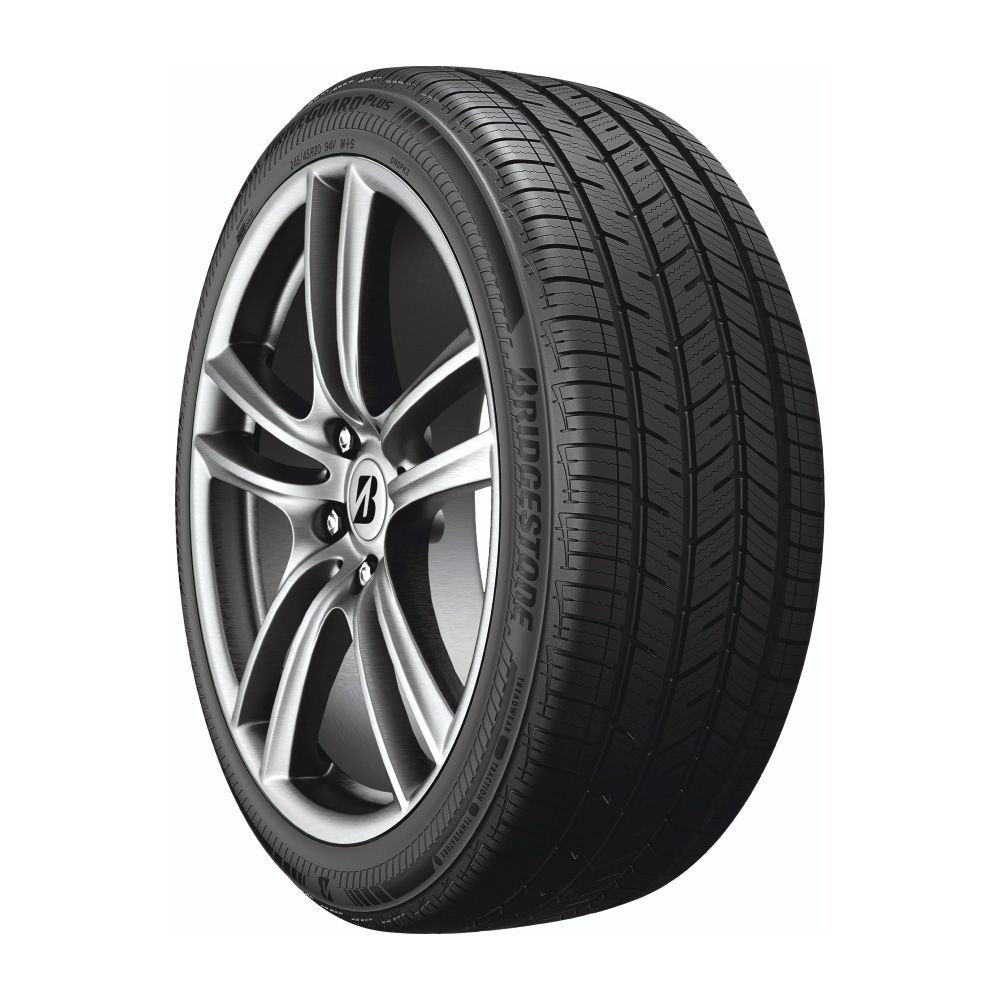
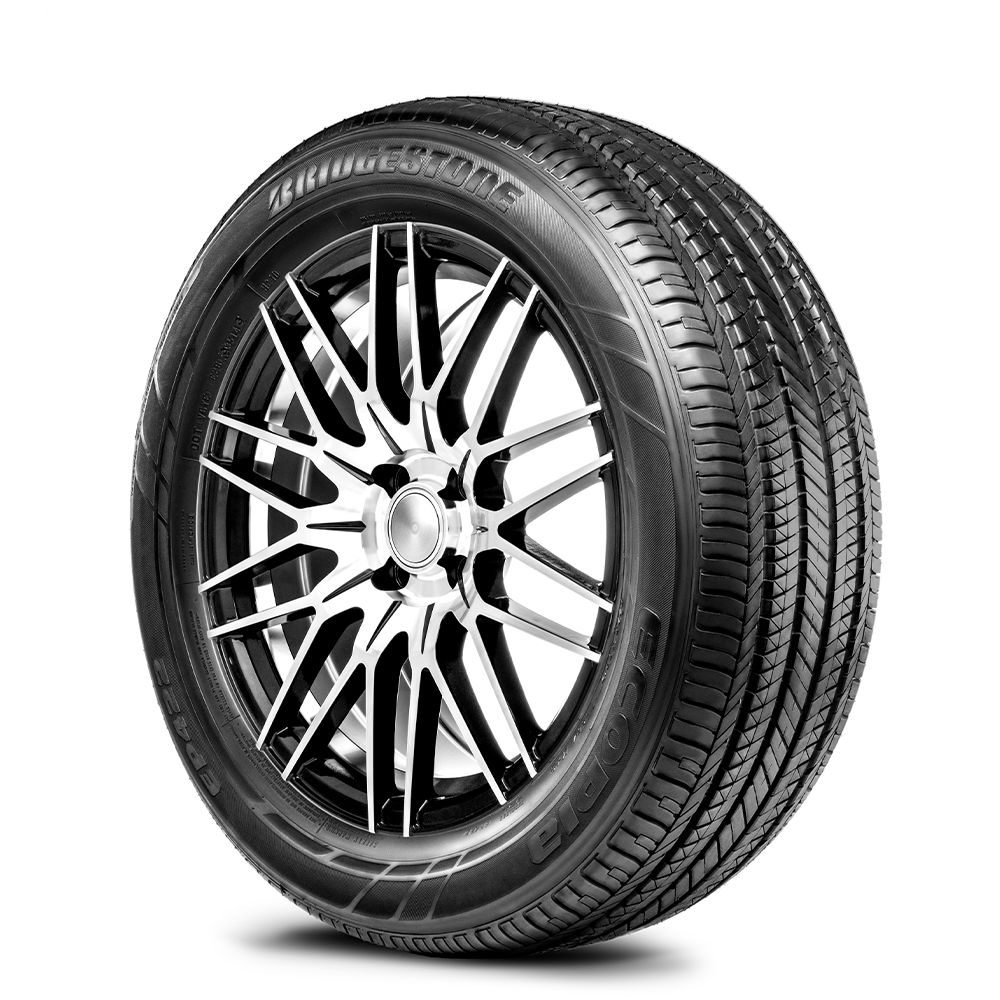
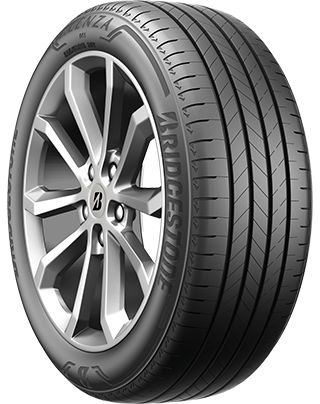
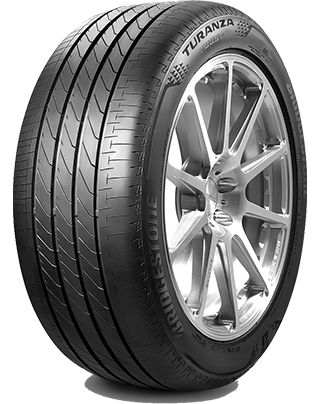
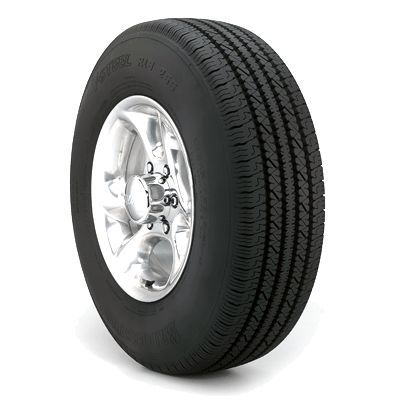
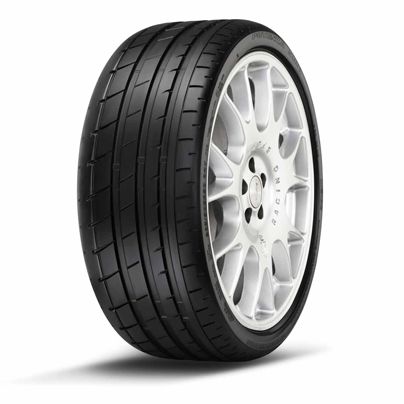
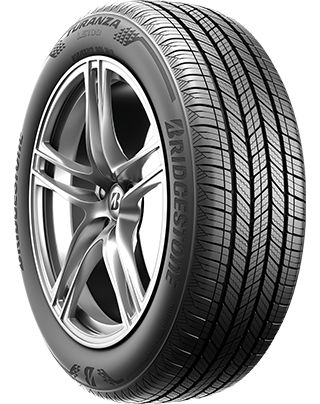
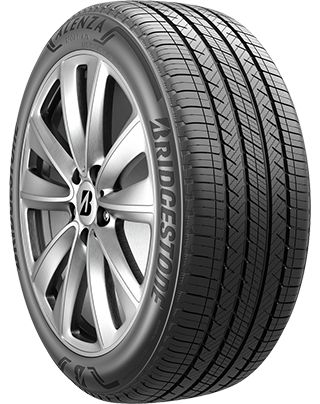


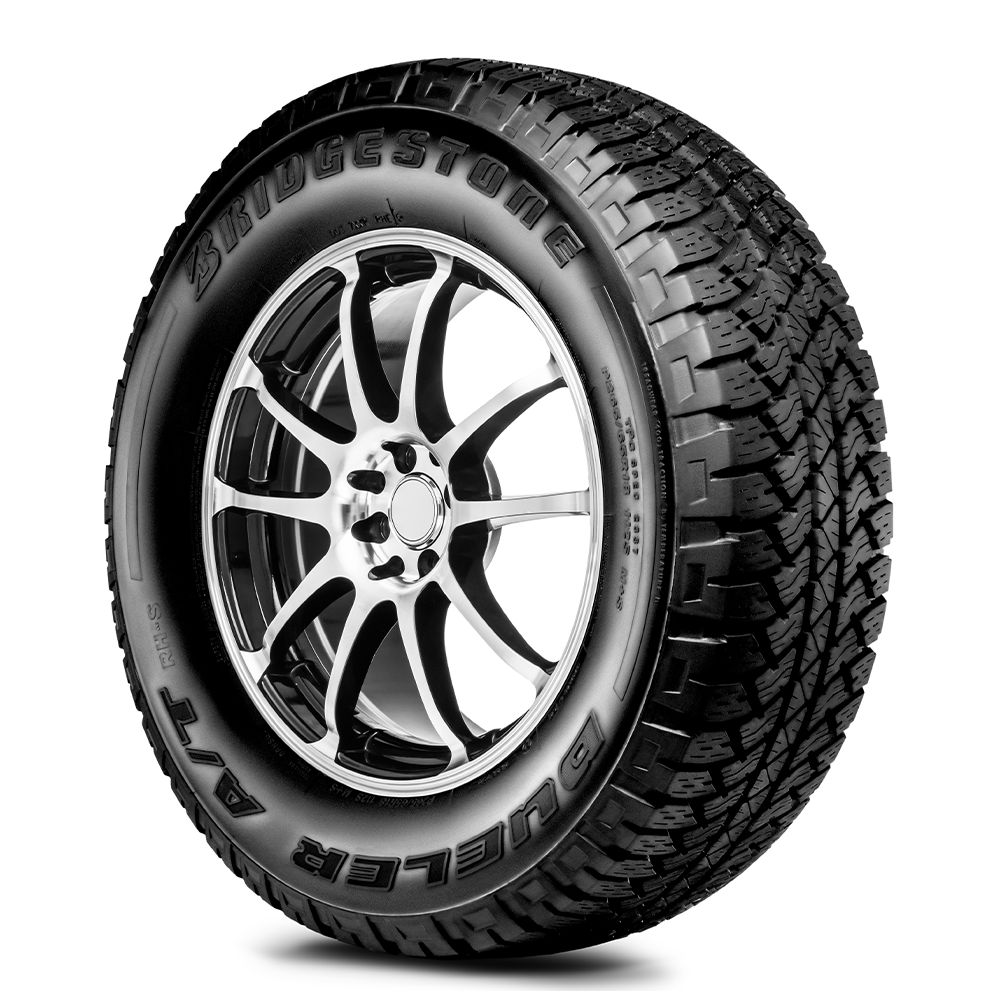
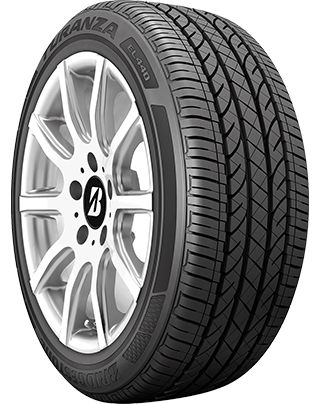
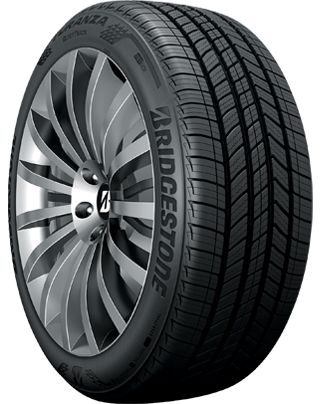
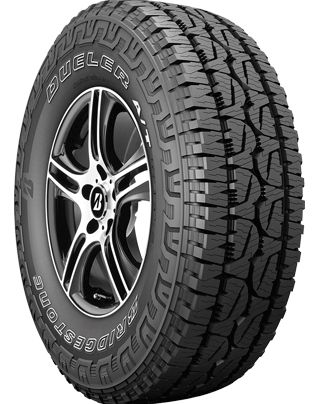
FIND THE PERFECT SET OF BRIDGESTONE TIRES AT TIRES PLUS
Are you looking for all-season tires? All-terrain tires? Truck tires? What about passenger tires for a smooth commute, winter tires that can tackle the snow, and tires that help improve fuel efficiency? Bridgestone has them, and we have Bridgestone! Driving innovation with new tire technology, see what makes Bridgestone a leading brand in the tire industry. Find Bridgestone tires for your vehicle type and driving style. Enter your vehicle information at the top of this page or browse these leading Bridgestone brands:
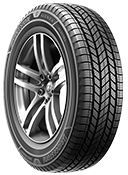

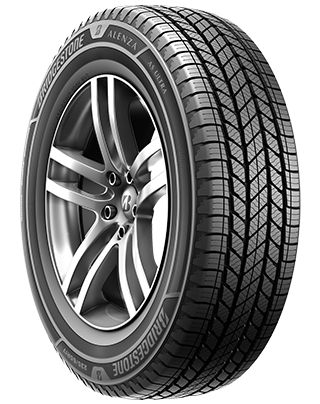
ALENZA CUV/SUV TIRES
With an exceptionally long tread life and improved performance in wet conditions, Alenza tires deliver the ultimate driving experience.
Shop Alenza Tires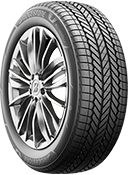

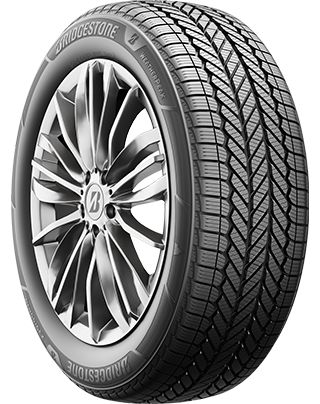
WEATHERPEAK ALL-WEATHER TIRES
Engineered for all-weather performance, WeatherPeak tires give you confidence for any season, any weather, and any journey.
Shop WeatherPeak Tires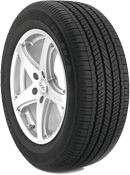

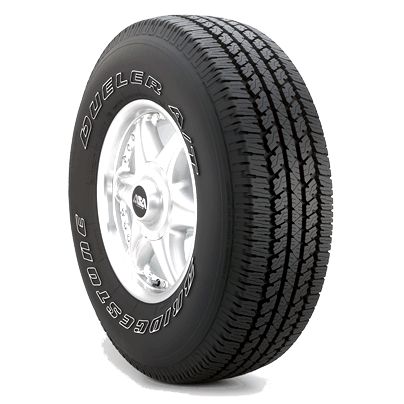
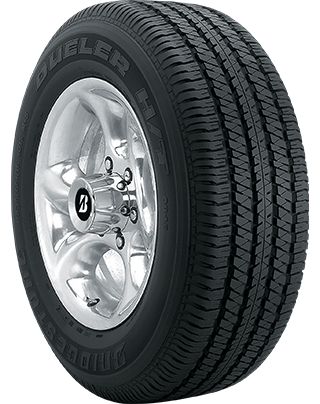
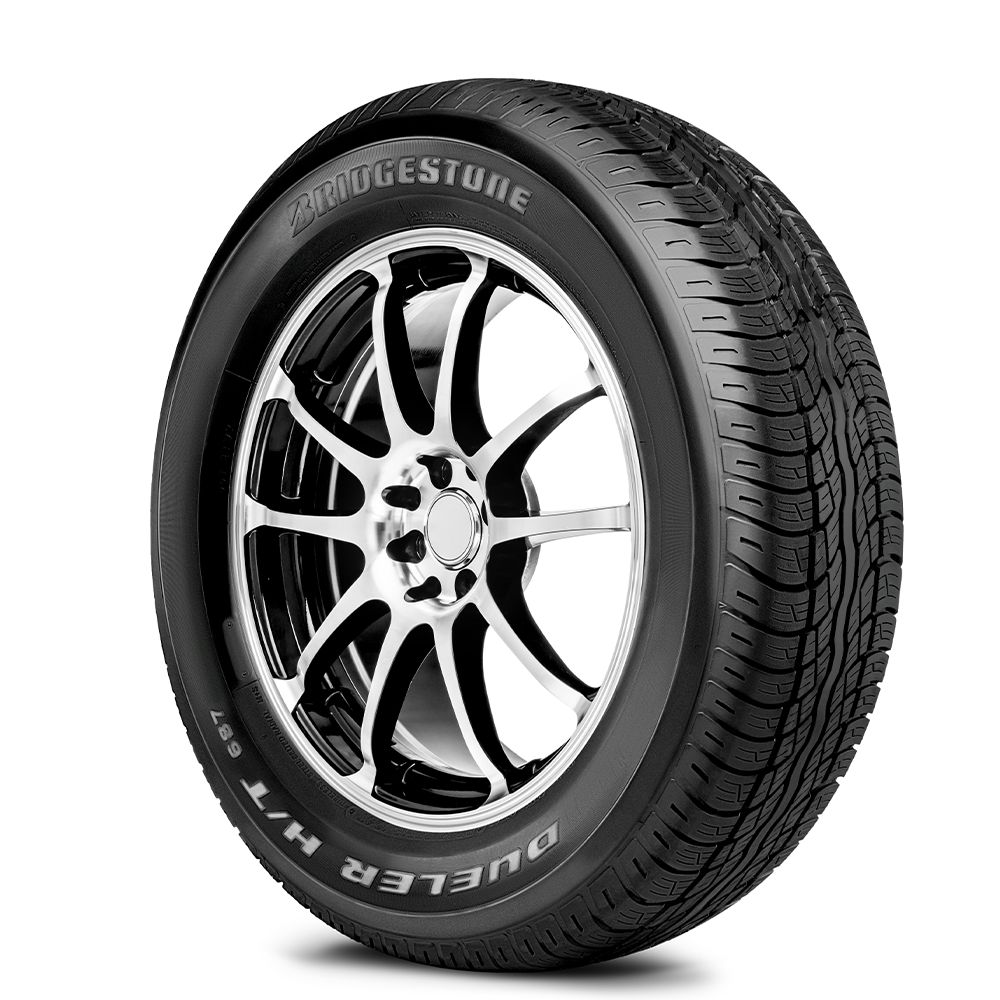
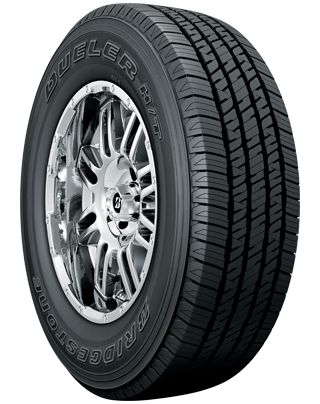
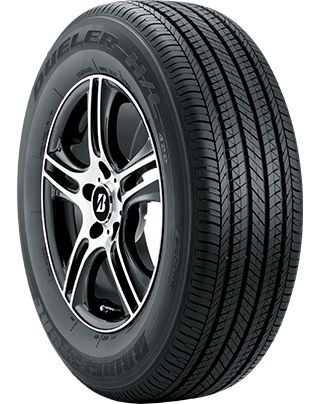
DUELER ALL-TERRAIN TIRES
Dueler tires are designed to deliver comfort and control for on-road and off-road driving, along with secure traction on wet and dry surfaces.
Shop Dueler Tires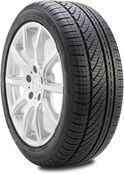

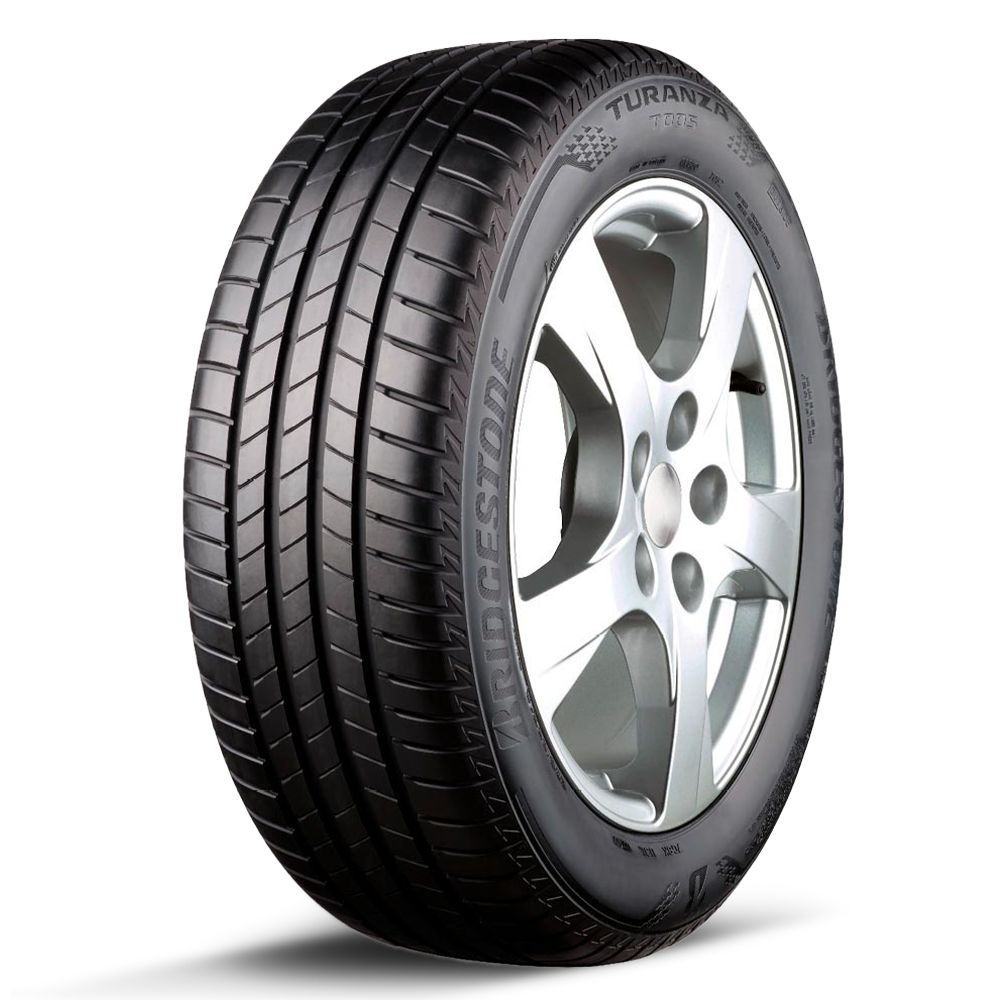
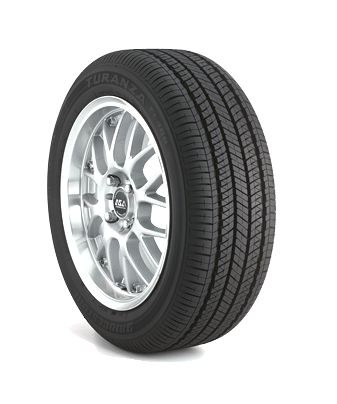
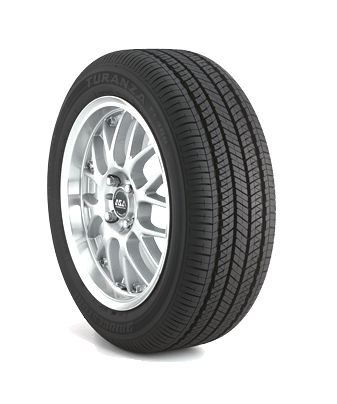
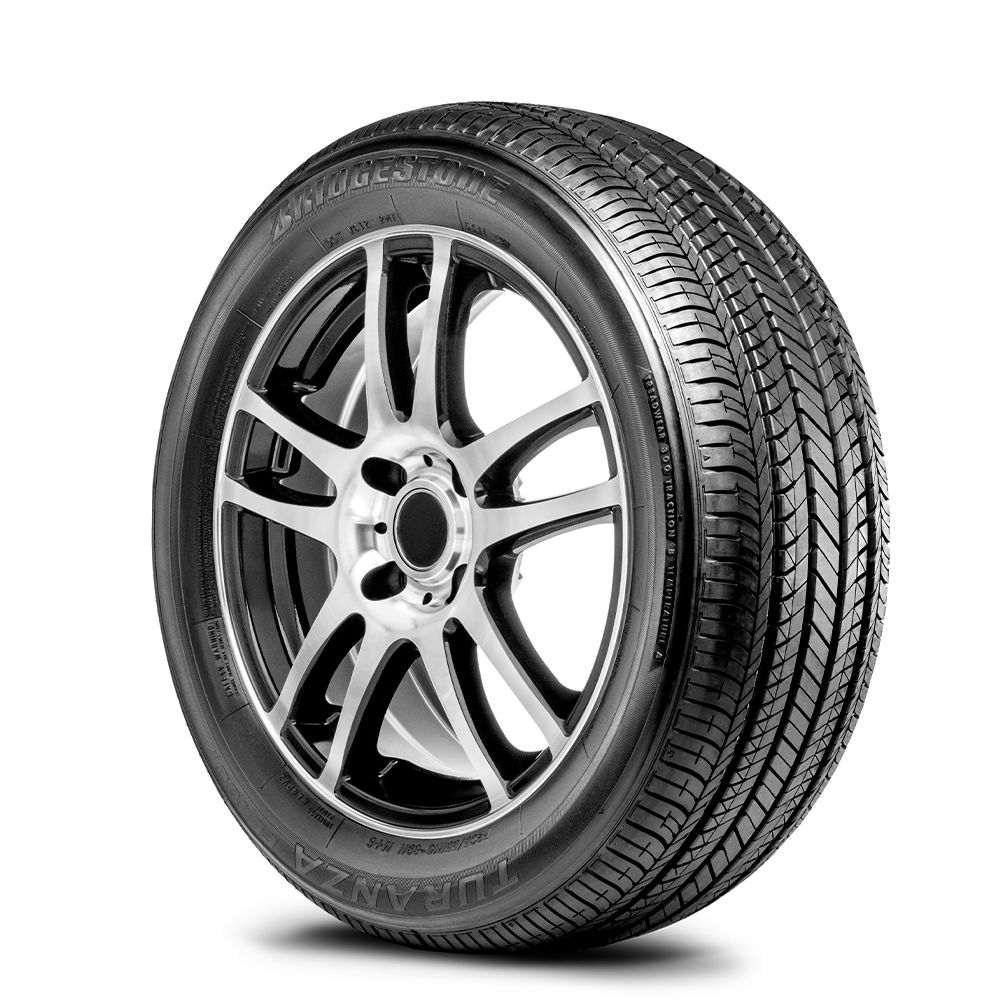
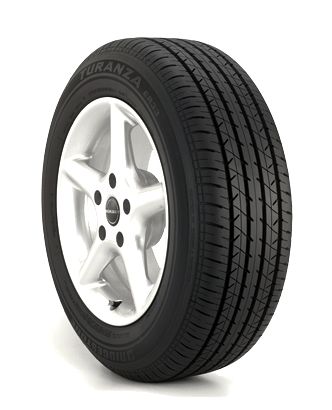
TURANZA TOURING TIRES
Turanza all-season touring tires provide the ultimate ride. Regardless of the weather, your tires are designed to perform smoothly, quietly, and reliably.
Shop Turanza Tires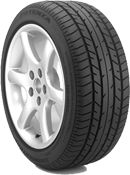

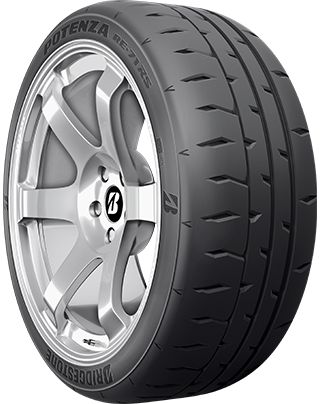
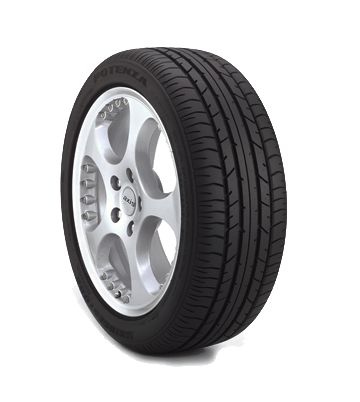
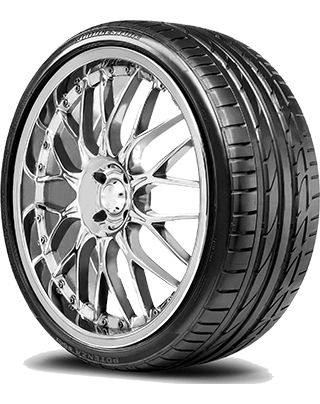
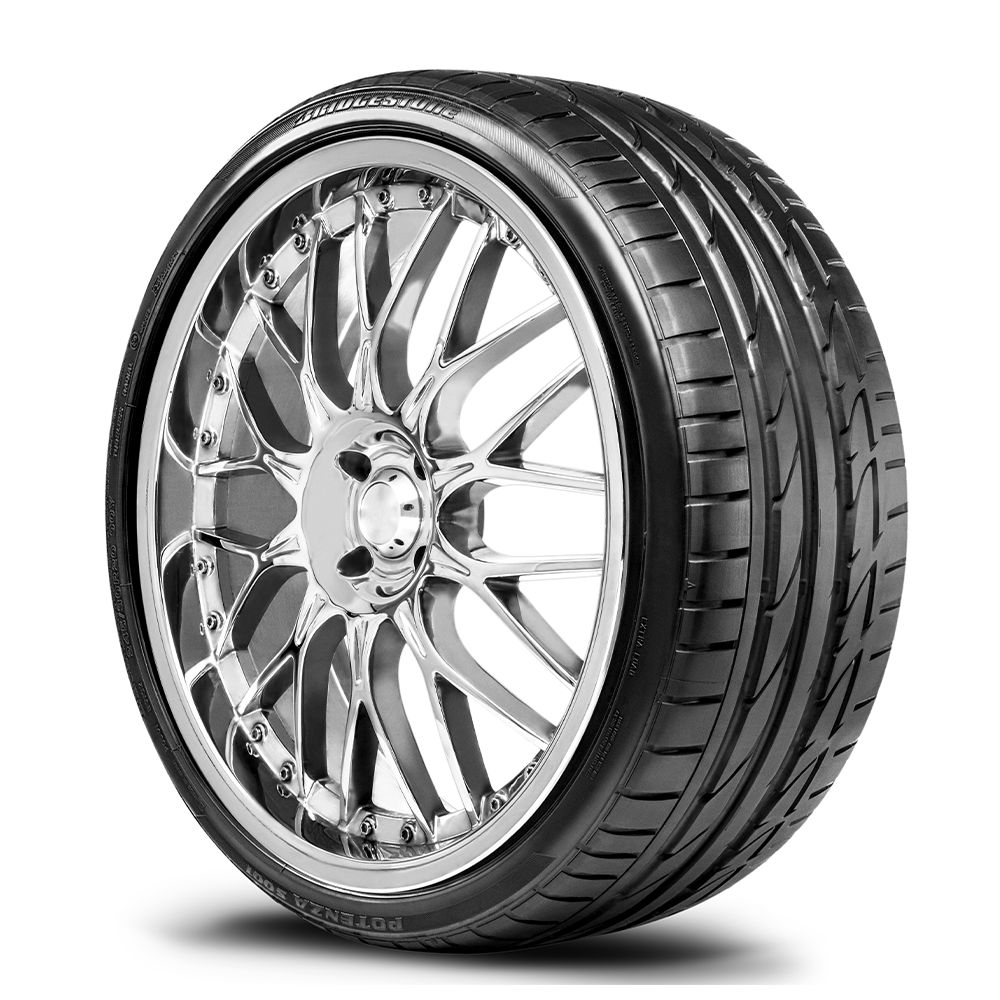
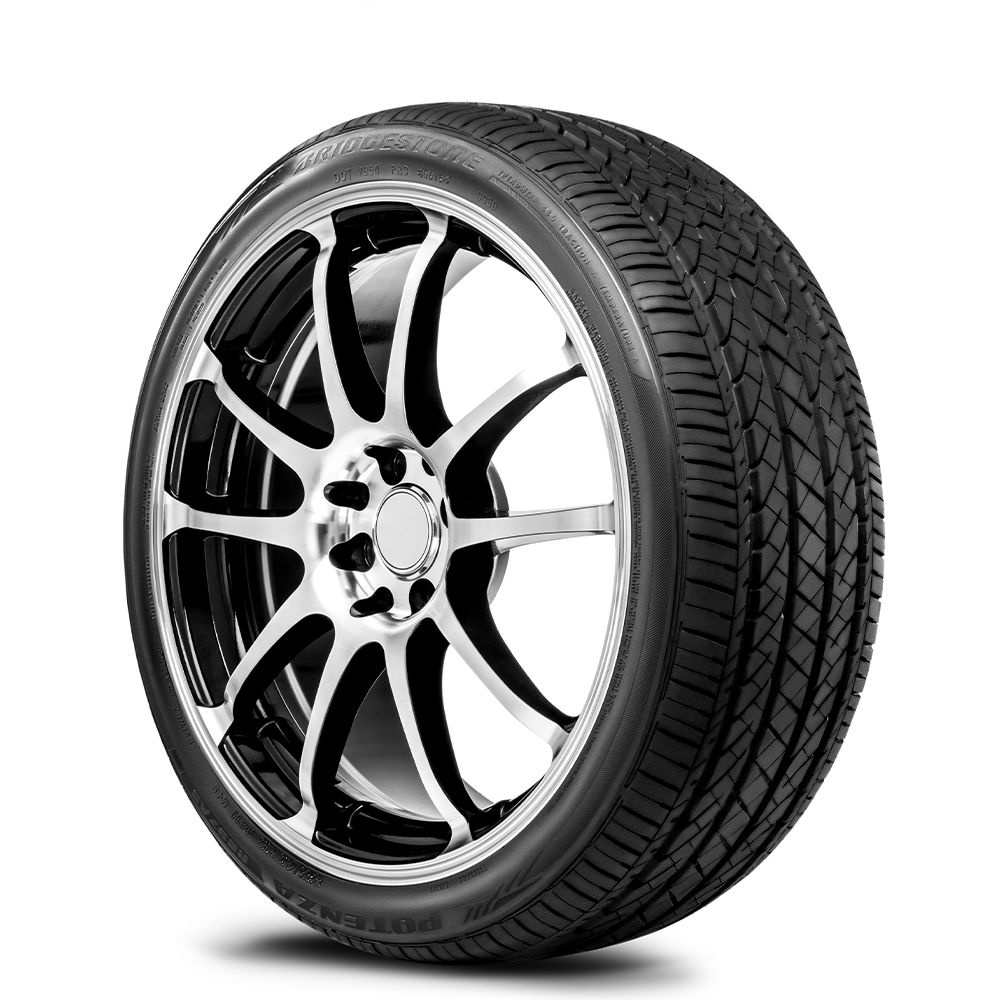
POTENZA HIGH-PERFORMANCE TIRES
Enjoy precision at every turn for sports cars and performance vehicles. Potenza high-performance tires are engineered for smooth, responsive handling.
Shop Potenza Tires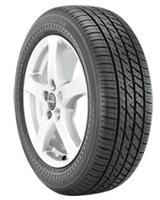

DRIVEGUARD RUN-FLAT TIRES
With DriveGuard tires with Next-Generation Run-Flat technology, you can temporarily continue your journey in the event of air pressure loss or puncture.
Shop DriveGuard Tires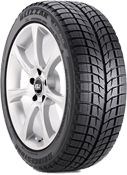

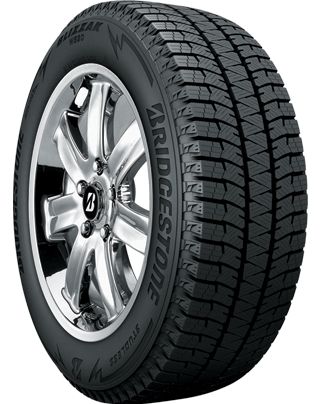
BLIZZAK WINTER TIRES
Bridgestone winter and snow tires feature a revolutionary design that helps grips the road in slushy, snowy, and icy conditions.
Shop Blizzak Tires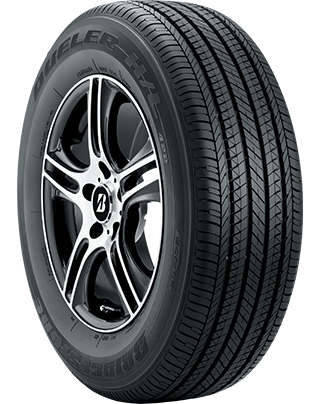

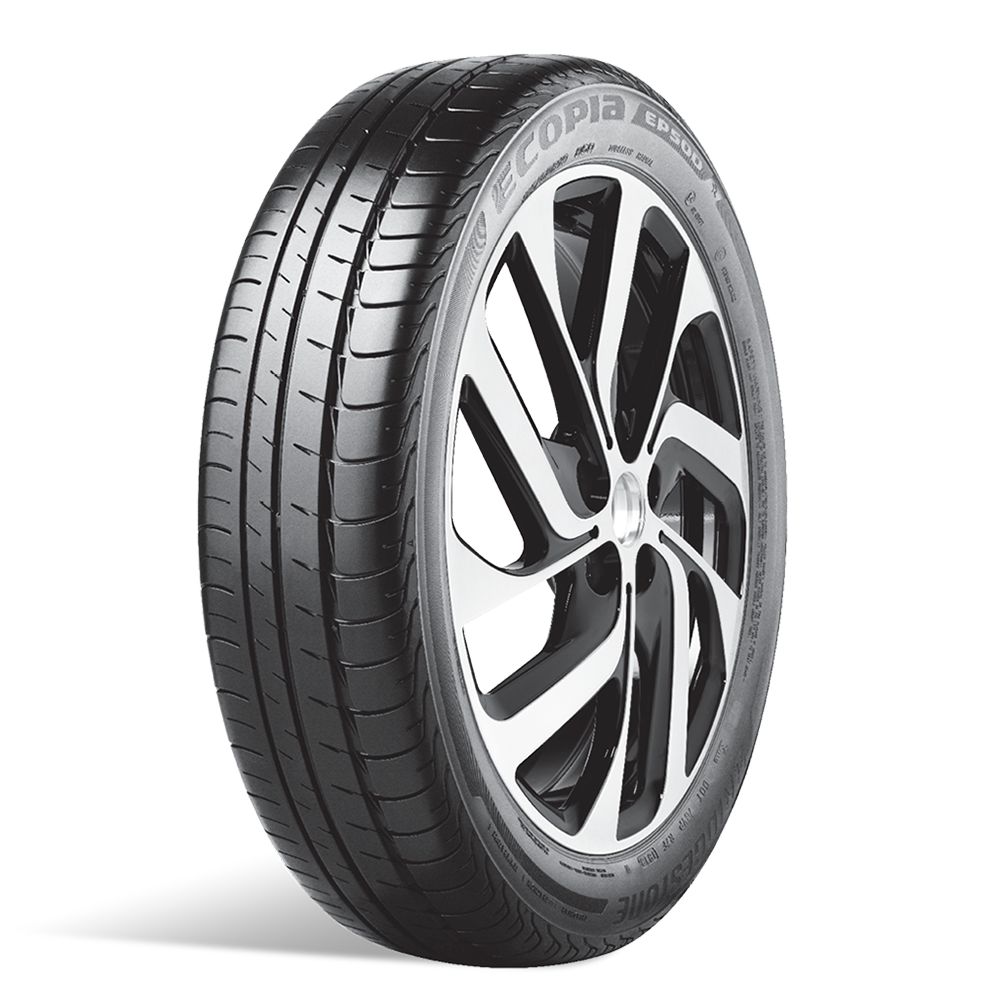
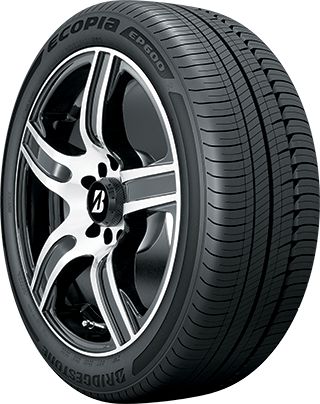
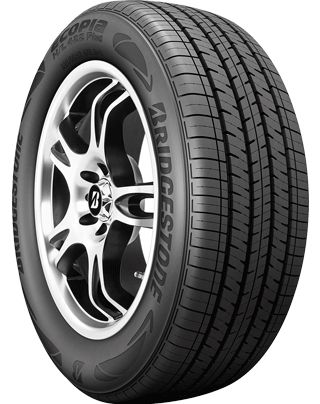
ECOPIA FUEL EFFICIENT TIRES
Taking fewer trips to the gas pump is a triple win: it’s better for your wallet, your schedule, and the planet. With Ecopia tires, engineered to help your car achieve its maximum fuel efficiency, drivers can stretch the time between fill-ups while enjoying reliable all-season performance and comfortable handling.
Shop Ecopia TiresNEED HELP CHOOSING BRIDGESTONE TIRES?
Visit your local Tires Plus to shop Bridgestone tires near you. Our Bridgestone tire experts can help you choose a brand based on your driving habits, typical road conditions, and vehicle specification so your new Bridgestone tires fit your needs and your budget.
Stores Near You
Store Locations Map
GET OUR BEST TIRE PRICE GUARANTEE ON BRIDGESTONE TIRES
With the help of our Best Tire Price Guarantee, you can be sure you’ll get the Bridgestone tires you need at the best price. Tires Plus will match any current, locally advertised Bridgestone tire price. If you find a better price within 30 days of purchase, we’ll refund you 200% of the price difference.* Just find the Tires Plus location nearest you and they’ll help you get the right tires for your vehicle!
*This guarantee extends to the Customer, within thirty (30) days after the date of purchase, a refund of 200% of the difference between a competitor’s current, delivered non-sale price and the price of the same tire purchased from a Bridgestone company-owned store. Customer must provide a current, local advertisement. This guarantee excludes wholesale, clearances, closeouts, catalogs and rebate prices. Excludes our Buy 3, Get 1 Free offer when compared to a competitor's individual tire price. Can be compared to competitor's Buy 3, Get 1 offer. The retailer must be an authorized reseller of the product and selling it through their own, non-auction channel. This refund is not to be combined with any other offer or used to reduce outstanding debt.