


TPMS SERVICES
Don’t overlook your Tire Pressure Monitoring System. Explore repair and replacement services for tire pressure sensors.
TIRE PRESSURE MONITORING SYSTEM (TPMS) REPAIR SERVICES
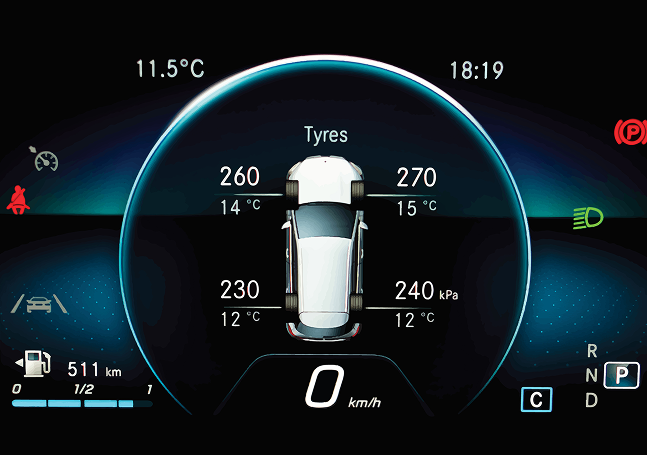
A working TPMS system and properly inflated tires can provide a smoother ride, improve fuel economy, and help your tires last longer. At Tires Plus, we’ll check and inflate your tires for free with any scheduled auto repair—and if your TPMS needs service or you need a TPMS sensor replacement, our expert technicians have you covered.
IMPORTANCE OF TIRE PRESSURE AND YOUR CAR’S TPMS
Under-inflated tires can lead to poor performance, increased tire wear, and may lower your fuel economy. Take warning signs of low tire pressure seriously. If your TPMS light is solid, it could be signaling that one or more tires may be low on air. If your TPMS light is blinking, it could mean a tire pressure sensor malfunction that needs attention from professional technicians.
WHEN TO SERVICE YOUR TPMS SENSORS AND VALVES
If you want to help prevent the risk of low tire pressure, you should make checking your tire pressure part of your regular maintenance routine. We recommend checking your tires at least once a month. Aside from this, you should also check tire pressure:
- When the temperature drops. Tires can lose 1-2 PSI for every 10℉ drop in temperature.
- When you hit a curb. Catching a curb wrong or hitting a pothole can cause damage, like punctures or a dented rim, that may need tire or TPMS repair.
When your car sits unused. If your car sits for a month or more, tire pressure can significantly drop. Stop by for a Complete Vehicle Inspection to ensure everything is in working order.
FIND TIRE PRESSURE MONITORING SYSTEM (TPMS) REPAIR SERVICES NEAR YOU
Stores Near You
Store Locations Map
FREQUENTLY ASKED QUESTIONS
WHEN TO CHECK TIRE PRESSURE
If you want to help prevent the risk of low tire pressure, you should make checking your tire pressure part of your regular maintenance routine. We recommend checking your tires at least once a month. Aside from this, you should also check tire pressure:
- When the temperature drops. Tires can lose 1-2 PSI for every 10℉ drop in temperature. In cases of extreme temperature drops, make sure to check if your tires need to be refilled.
- When you hit a curb. Catching a curb wrong or sinking into pothole is not good on your tires. Anytime this happens, checking your tire pressure can alert you to damage, like punctures or a dented rim, that may need repair.
- When your car sits unused. When your vehicle sits unused for weeks at a time, tire pressure can drop significantly, so it’s worth checking before taking an idle car back out on the road. With long breaks in-between driving, stopping in for a Complete Vehicle Inspection can help ensure everything’s in working order.
WHERE TO CHECK TIRE PRESSURE
If you have a tire pressure gauge on hand you’re already halfway there! The next step is to locate your tire’s valve stem. The valve stem is a small tube installed through an opening on the wheel rim. From here you can connect a tire gauge to check tire pressure or use an air compressor to reinflate your tires, just remember to reinstall the valve stem cap.
HOW YOUR VEHICLE SENSES LOW TIRE PRESSURE
Most vehicles come equipped with the technology to warn drivers when tire pressure is too low. The National Highway Traffic Safety Administration (NHTSA) requires all vehicles made after 2007 to come equipped with a Tire Pressure Monitoring System (TPMS) warning system. The TPMS light on your dash is part of a safety warning system that wirelessly monitors tire pressure through a direct sensor in your tires usually attached to the valve stem or an indirect system that typically uses wheel speed data to determine differences in tire pressure. If your TPMS light comes on, it’s telling you something— don’t ignore it!
LIMITED TIME CAR REPAIR COUPONS & DEALS
Offers Carousel

MORE WAYS TIRES PLUS KEEPS YOU ROLLING
AUTO REPAIR SERVICES
Visit your nearest Tires Plus for any of your car repair services. Schedule an appointment or stop by for any car repair needs today! Visit your nearest Tires Plus for any of your car repair services. Schedule an appointment or stop by for any car repair needs today!
EXPLORE REPAIR SERVICESFLAT TIRE & POTHOLE DAMAGE REPAIR SERVICES
Hit a pothole? You could have pothole damage to your tires or alignment. Stop by your local Tires Plus for quick pothole damage inspection and repair. Hit a pothole? You could have pothole damage to your tires or alignment. Stop by your local Tires Plus for quick pothole damage inspection and repair.
EXPLORE POTHOLE DAMAGE REPAIR SERVICESTIRES
Are you looking to buy new tires and not sure where to look? Let us help. Shop Tires Plus today for all of your new tire needs. Are you looking to buy new tires and not sure where to look? Let us help. Shop Tires Plus today for all of your new tire needs.
EXPLORE TIRES