














What Is Tire Rolling Resistance and How Does It Affect Your Drive?
Are low-rolling-resistance (LRR) tires worth it? Learn what rolling resistance is, what causes it, how to reduce it, and whether LRR tires are right for you.
Read More
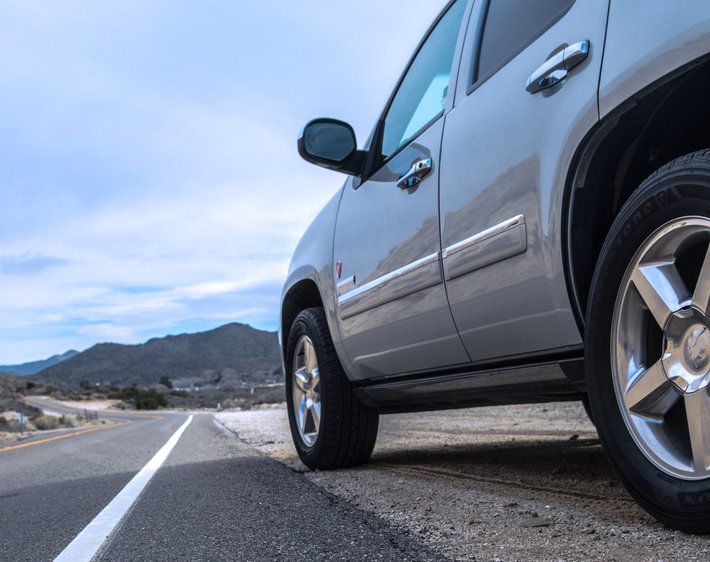
When you buy tires at Tires Plus, we provide free tire rotation services for their lifetime. We also will perform free tire rotations on any Bridgestone or Firestone tires—no matter where they were purchased. Ask your local Tires Plus for more details.
The condition of your tires can have a real impact on your vehicle’s performance. Generally, you should replace tires every 25,000 to 50,000 miles or around every 6 years. Regularly checking tire tread wear can tell you the condition of your tires and if they need to be replaced. It’s recommended to replace all four tires at the same time for even tread wear and consistent handling. If you need to replace fewer than four tires, stick to pairs, make sure all tire types match on your vehicle, and that you have the new tires installed on the rear axle. The benefits tire replacement include:
Are low-rolling-resistance (LRR) tires worth it? Learn what rolling resistance is, what causes it, how to reduce it, and whether LRR tires are right for you.
Before you hit the road this summer, make sure you’re prepared for anything that's thrown your way with these must-have car emergency kit tools and items.
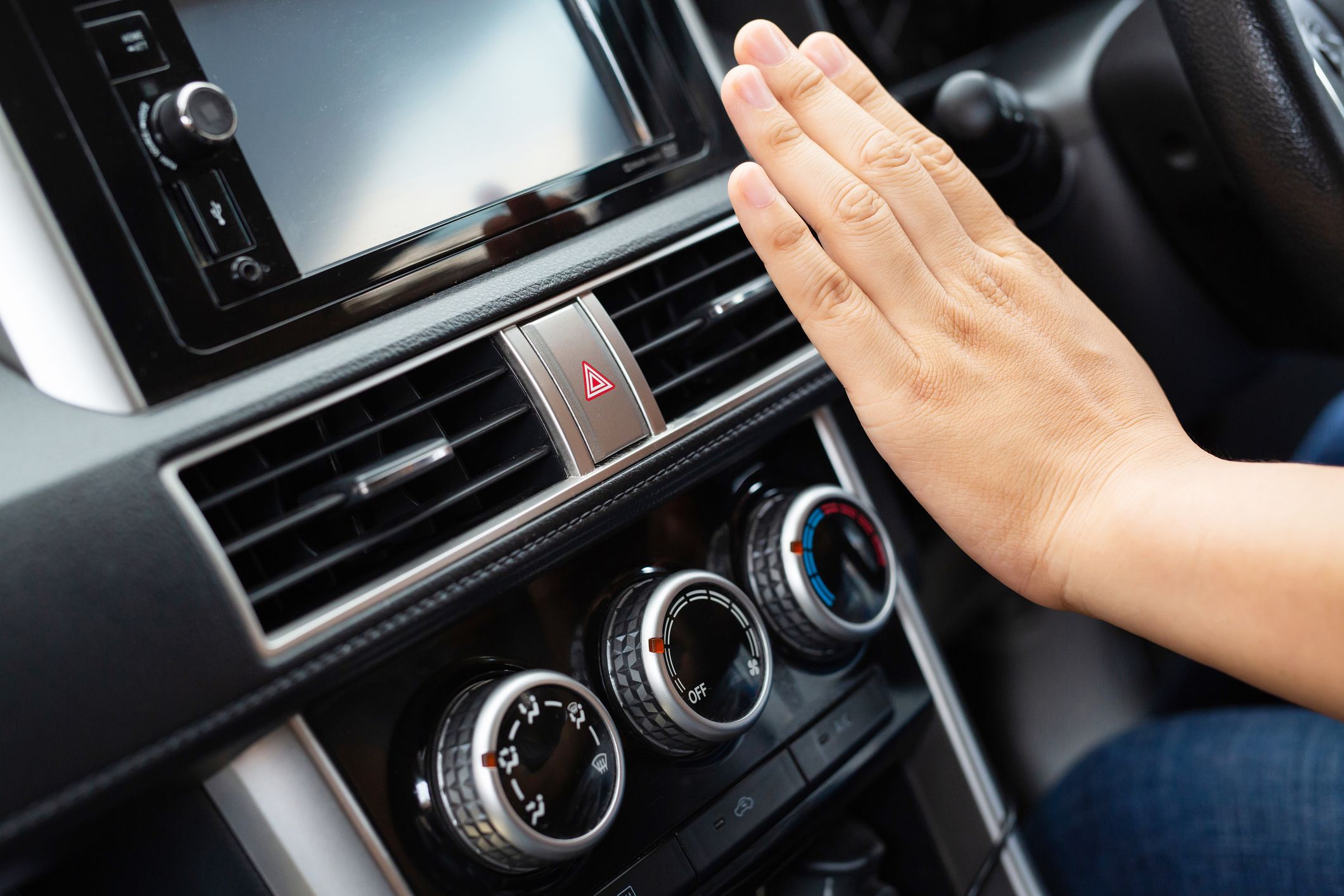
Discover how to tell if your heater core is going bad, from sweet smells and foggy windows to weak heat, so you can catch issues early and avoid costly repairs.