Summer is here, and with warmer weather come road trips, beach getaways, and family adventures. Whether you’re hitting the road for a weeklong trip or just driving for a day, higher temperatures can pose unique challenges for your vehicle, making a summer survival kit for drivers essential.
A little maintenance and a summer emergency tool kit for your car could mean the difference between a smooth journey and a costly roadside breakdown. Follow along as we cover what you need to know about summer driving, including what to put in an emergency kit for your car and what maintenance to take care of before hitting the road.
Why You Need a Summer Car Emergency Kit
Many drivers think cold weather takes the heaviest toll on their vehicles, but the reality is that high temperatures are just as bad or worse for your car’s components. Here are a few reasons why it’s important to put together a car emergency kit this summer:
Extreme Heat Damages Your Battery
Battery and electrical issues are a common cause of breakdowns in the summertime. This is because high temperatures under the hood can accelerate internal corrosion and evaporate essential electrolyte liquids in lead-acid batteries. Car batteries over three years old are especially susceptible to dying from the heat.
Overheating and Engine Stress
From your radiator to your air conditioning system, severe heat and demanding driving during summer road trips can make your car’s cooling system work overtime. Low oil or fluid levels, worn hoses, or a failing water pump can quickly cause your engine to overheat and leave you stranded by the side of the road.
Excess Heat Can Cause Tire Blowouts
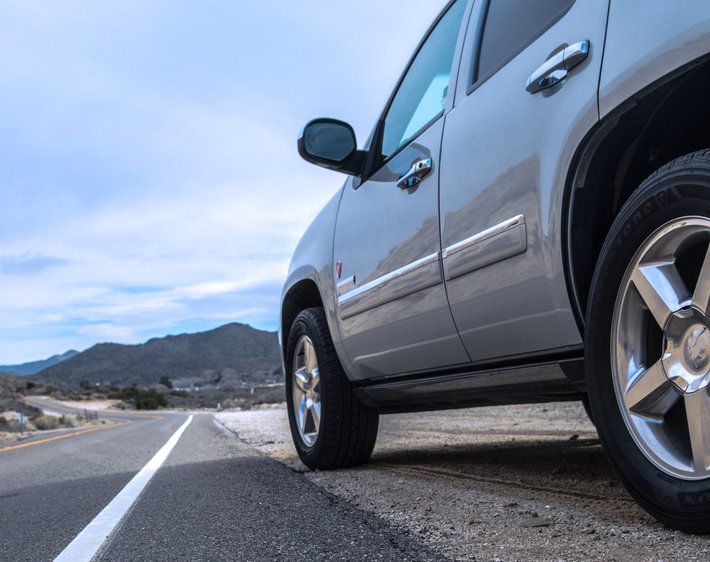
All-season tires are designed to perform in typical summer temperatures, including on hot pavement. However, extreme heat can put additional stress on tires—especially those that are underinflated, overinflated, damaged, or already worn—making proper tire pressure and maintenance particularly important during hotter months.
As temperatures rise, the air inside your tires expands, increasing tire pressure by about 1 PSI for every 10°F rise in temperature. Combined with hot pavement, higher tire pressure can affect handling, traction, and tread wear, ultimately creating a dangerous recipe for an unexpected blowout.
Just as overinflation can cause issues, underinflated tires can be even more problematic, leading to excessive heat buildup, reduced fuel efficiency, uneven tread wear, and an increased risk of tire failure. This is because soft tires create more contact with the hot road, flexing the sidewall and generating excess heat and friction that could push your tires past their limit.
To help keep your vehicle safe and performing at its best, ensure it is equipped with the right tire type for your climate, check your tire pressure regularly, and always set it when the tires are cold or have cooled down after driving. Tire pressures measured immediately after driving can be misleading because heat generated during operation temporarily increases pressure readings. Maintaining the manufacturer's recommended tire pressure helps improve tire life, fuel economy, vehicle handling, and overall safety while reducing the risk of heat-related tire issues during the hottest months of the year.
What to Include in a Car Emergency Kit
Even with careful planning, unexpected situations happen. Stashing a compact survival kit or roadside emergency tote in your trunk can help keep you safe during the summer heat. Many of these items are also great to keep in your emergency kit year-round. Just make sure you check your kit regularly to ensure food and water are stocked and batteries are charged.
Hydration & First Aid Supplies
- Fresh drinking water: Avoid dehydration while waiting for assistance or if traveling on foot. If you’re planning to keep fresh water in your vehicle long-term, ensure the water is stored in tightly sealed glass or metal containers rather than plastic.
- Non-perishable snacks: Keep your energy up with protein bars, nuts, dried fruit, and other long-lasting snacks.
- First-aid kit: Keep a well-stocked first-aid kit with bandages, antiseptic wipes, burn cream, bug spray, tweezers, gauze, pain relievers, any necessary personal medications, and an extra EpiPen for any severe allergies.
- Electrolytes: Add electrolyte tablets or powder to your water to better hydrate in the heat.
- Sunscreen: Keep your skin protected if you’re stuck in the sun by the side of the road.
Visibility & Communication Essentials
- Warning triangles or road flares: Alert passing drivers to your position on the shoulder.
- High-visibility vest: Ensure other drivers can see you, especially at night.
- Flashlight or headlamp: Include extra batteries or a hand-crank flashlight for nighttime breakdowns.
- Phone charger and/or power bank: Keep your phone fully charged so you can call for assistance or use GPS navigation.
Basic Tools & Equipment
- Jumper cables: Jump-start a dead battery so you can head to the nearest auto shop.
- Small tool kit: Keep a basic tool kit with screwdrivers, pliers, an adjustable wrench, a utility knife, and duct tape to patch small issues and get to a repair shop.
- Tire-changing tools or tire sealant: Make sure you have a jack, lug wrench, and a spare tire to replace a flat tire, or a bottle of tire sealant to treat a puncture from causing a flat.
- Tire gauge: Check tire pressure and top up air as needed.
- Wiper blades and fluid: Ensure your wiper blades clear rain effectively to handle strong summer storms, and that your washer fluid reservoir is topped off.
- Rain poncho: Stay dry during repairs or when traveling on foot.
- Reflective emergency blanket: Can be used to create shade if necessary.
Summer Road Trip Car Maintenance Checklist
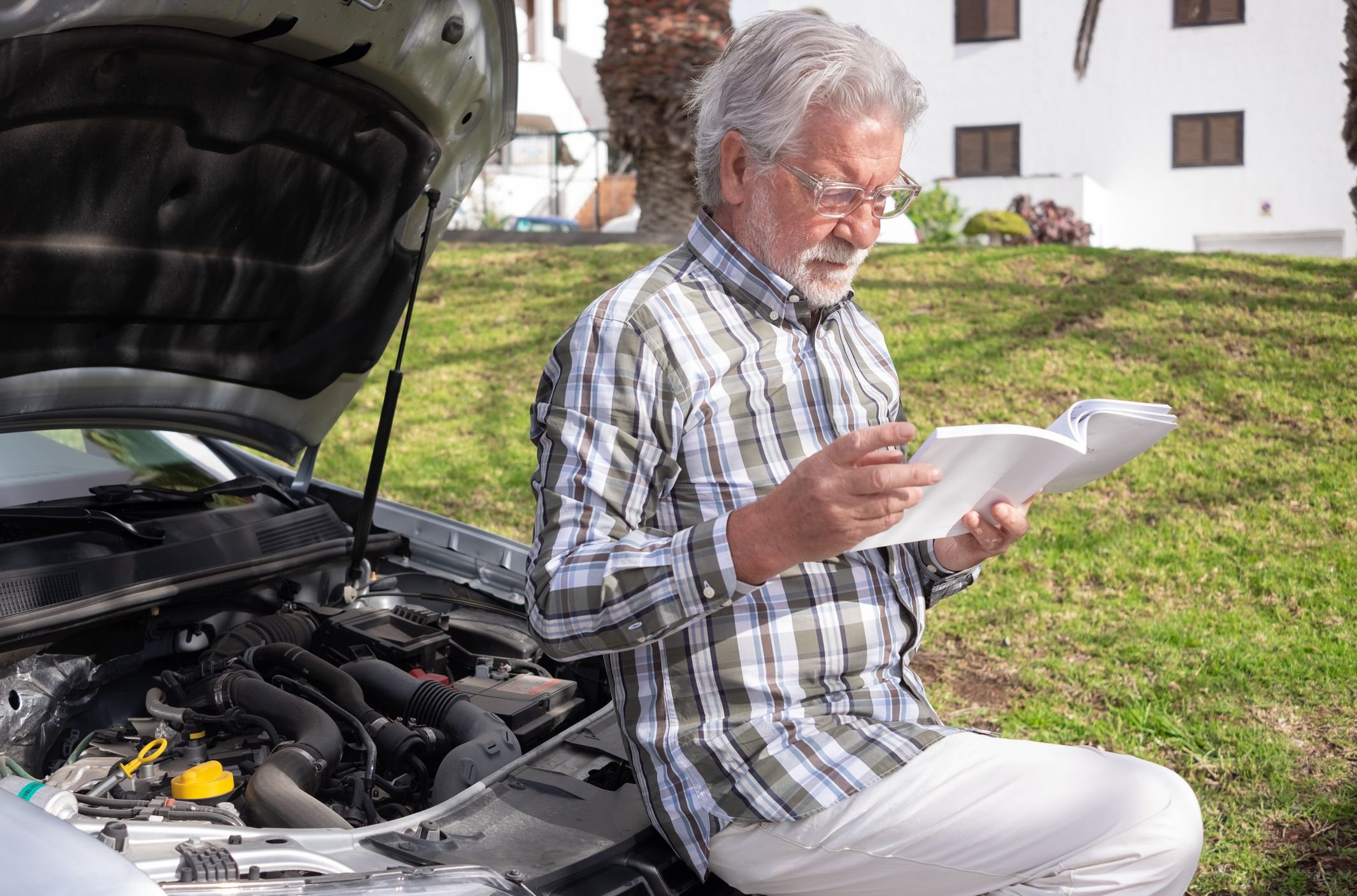
A well-stocked emergency kit is a great way to bring along peace of mind on a road trip. But the best way to handle roadside breakdowns is to help prevent them in the first place with preventative maintenance. Before you skip town, trust the technicians at Tires Plus to perform an in-depth inspection of critical systems like your battery, brakes, engine, and more.
SCHEDULE VEHICLE INSPECTION SERVICE
Even spending a few minutes checking key components yourself can save you hours on the side of the road. Here are a few critical parts to look at first:
Check Your Tires
Inspect all four tires, plus your spare, and assess three things:
- Tire Pressure: Use a tire gauge to measure air pressure before driving, when the tires are cold. Fill any tires as needed according to the manufacturer-recommended level found on the driver's side door jamb or in your owner's manual.
- Tread Depth: Low tire tread reduces traction on wet roads and increases the risk of a blowout. Try the “penny test” to determine if you have sufficient tread by placing a penny upside down into the tread grooves. If you can see the top of Lincoln’s head, it’s time for new tires.
- Damage: Look for cracks, bulges, or uneven wear patterns across the surface that could lead to a flat tire or blowout.
Test Your Battery
Heat is a car battery’s worst enemy. Swing by Tires Plus for a professional battery test at the start of summer or before any long drives to assess how much longevity your battery has left. If your battery has swollen from the heat, it’s time to replace it right away.
Check and Top Up Vital Fluids
Check the levels and condition of important fluids like engine oil, coolant, transmission fluid, and brake fluid. Top them up as needed to help your car better handle the stress of summer driving. If you’re close to your next service date, consider an oil change to help keep your engine performing strongly all summer.
Other Important Maintenance Checks
After you’ve inspected the above, make sure your car is fully summer road trip ready by having a Tires Plus professional check out the rest of your car’s critical systems through a complete vehicle inspection, including:
- Brake system
- Exhaust system
- Fuel and air filters
- A/C system
- Heater and defroster
- Cooling system
- Lights and flashing hazard lights
- Windshield wiper equipment and washer fluid level
Before You Hit the Road, Stop By Tires Plus
Packing a summer emergency kit is a great first step, but the best roadside emergency is the one that never happens. Before your next road trip, let the pros at Tires Plus inspect your tires, battery, fluids, brakes, and other key systems to help ensure your vehicle is ready for the miles ahead.
Schedule your appointment online or stop by your local Tires Plus for peace of mind before you hit the road.
Frequently Asked Questions
How Often Should I Update My Car Emergency Kit?
You should inspect and update your car emergency kit at least twice a year, ideally at the start of summer and winter. This gives you a chance to replace expired food, restock fresh drinking water, and trade out seasonal gear, like heavy coats, for cooling towels.
What Should I Do If My Car Overheats During a Road Trip?
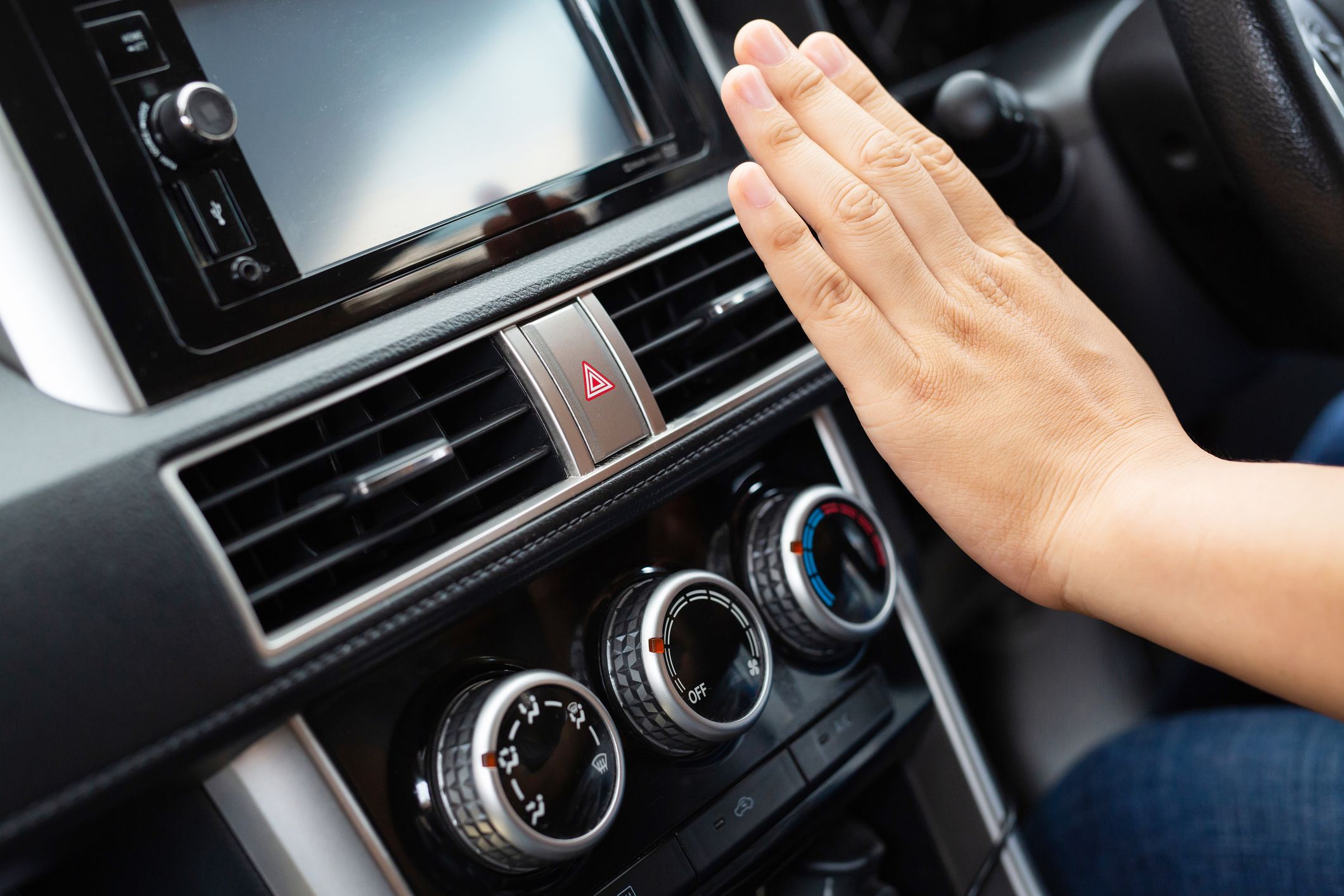
In most vehicles, turn off your air conditioner, turn on the heater to help pull heat away from the engine, and safely pull over to the shoulder. Turn off the ignition immediately, let the engine cool completely before opening the hood, and never attempt to remove the radiator cap while it's hot.
How Can I Reduce the Risk of a Tire Blowout in Hot Weather?
Regularly check tire pressure when your tires are cold to ensure they aren't underinflated, which creates excessive friction and heat on hot asphalt. Similarly, avoid overinflating tires beyond the recommended PSI, as hot weather increases tire pressure.
Make sure to routinely check tread depth and inspect the sidewalls for cracks or bulges, so you have an idea when it's time for new tires.
Why Do Car Batteries Fail More Often in the Summer?
Extreme heat accelerates internal corrosion and causes the liquid electrolyte inside the battery to evaporate much faster. This heat damage weakens the battery's ability to create and hold a charge, which can lead to unexpected battery failure—especially if your battery is more than three to five years old, or you make frequent short trips in the summer heat.
--
Article Development Supported & Reviewed By:
Tires Plus’s Technical Operations Team
The Tires Plus’s Technical Operations Team is composed of ASE certified technicians with over 70 years of combined experience. ASE certification represents the highest standard of technical training in the automotive industry. Guided by Tires Plus's rigorous editorial standards, our team delivers timely, detailed, and practical resources drivers can trust to keep their vehicles running newer, longer.