
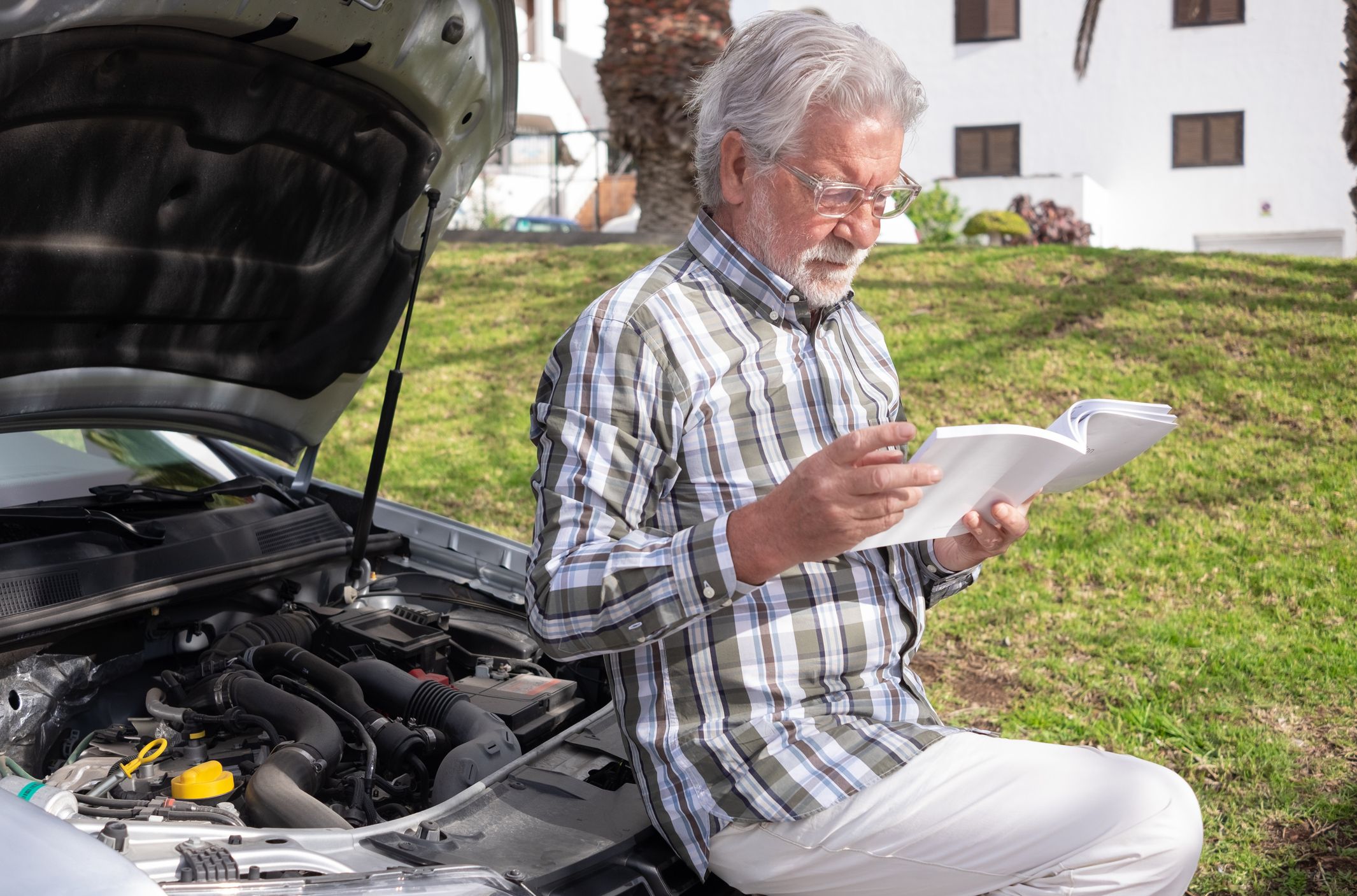
It’s only natural: the more miles you drive, the more maintenance you can expect as your car’s components wear out. The good news is that hitting 100,000 miles isn’t as big a deal as it used to be. In fact, reaching six figures on the odometer is more like a middle-aged milestone for your car. Yes, you’ll have to start performing some important high-mileage maintenance, but with a maintenance checklist in hand and regular servicing, you should be able to keep your trusty vehicle running smoothly for many more years to come.
Keep reading to learn what is high car mileage, how to make your vehicle last longer, and what maintenance a car needs at 100,000 miles, 150,000 miles, and beyond.
What Is Considered High Mileage for a Car?
It used to be that 100,000 miles was the benchmark for high-mileage vehicles. Now, with higher-quality manufacturing and maintenance, high mileage for a car is typically closer to 150,000 or even 200,000 miles.
But keeping a car running reliably past 150,000 miles means staying ahead of wear and tear with regular maintenance. As your car enters high mileage territory, it’ll need more than the standard tire rotations and engine oil changes to keep it going.
What Maintenance Does a Car Need at 100,000 Miles?
So, what maintenance does a car need at 100,000 miles? Once you’ve reached this milestone, your focus should shift from basic upkeep to more in-depth inspections and replacements. It’s at this stage that you should expect your first round of major services, like a timing belt replacement for your engine. If you haven’t already, consider replacing critical components like your spark plugs or transmission fluid according to your manufacturer's suggested maintenance schedule.
Key maintenance at 100K miles may include:
- Replace timing belt, if applicable
- Replace spark plugs (every 60K-100K miles)
- Replace engine air filter and fuel filter
- Inspect brake pads (replace every 30K-70K miles)
- Replace fluids such as coolant, engine oil, brake fluid, and transmission fluid as necessary
- Perform tire rotations
- Test the battery
Hitting the 100,000-mile mark is a great time to have a complete vehicle inspection performed by the pros at Tires Plus to ensure your car gets all the fluid replacements and crucial repairs it needs to make it through the next 100,000 miles.
150,000-Mile Care Maintenance Checklist
At 150,000 miles, you’re likely officially in high mileage territory. Any critical components that you didn’t replace earlier are likely due for replacement by now.
Other parts that have been working hard for years may start to show signs of wear and tear at this point, as well. Most important among them are your transmission and suspension. Pay attention to how your car drives day to day. If the steering wheel feels stiffer, gear shifting feels clunkier, or your brakes feel less responsive, it’s time to find your nearest Tires Plus for a checkup.
Key 150,000-mile maintenance needs potentially include:
- Replace brake rotors, plus brake pads and brake fluid if necessary
- Inspect shocks, struts, and other suspension components
- Inspect and replace critical fluids and filters
- Inspect belts, hoses, and seals for cracks or leaks
- Inspect fuel system for buildup
- Inspect muffler and other exhaust system parts
- Monitor wheel alignment and tire condition
While the cost of multiple repairs can add up quickly, staying proactive on your vehicle’s high-mileage journey is the best way to save money by preventing bigger, unexpected repairs down the road. If you’ve got repairs coming up, Tires Plus can help make essential maintenance more manageable with our coupons and special offers.
200,000-Mile Car Maintenance Checklist
If you’ve managed to reach 200,000 miles, chances are you’ve been diligent about following your manufacturer's suggested maintenance schedule as outlined in your owner’s manual. At this stage, maintenance for high-mileage cars becomes more about preserving performance and preventing breakdowns.
When it comes to maintenance for 200,000 mileage car, many of the repairs you made after the first 100,000 miles will be due again, such as spark plug and timing belt replacements. Anything you didn’t address at 150,000 miles will need to be addressed as well.
Key maintenance at 200K miles and beyond may include:
- Replace tires, if necessary
- Replace power steering fluid
- Replace spark plugs
- Replace timing belt, if applicable
- Clean fuel injectors and replace fuel filter
- Clean mass airflow sensor
- Inspect brake pads and brake fluid
- Inspect suspension parts
- Inspect fluids, filters, belts, and hoses for leaks and broken seals
- Inspect catalytic converter and other exhaust components
- Test car battery
Even at 200,000 miles or more, many cars can still be reliable daily drivers with regular maintenance. Your high-mileage vehicle is proof that proactive care pays off in the long run, especially with the professional service and savings opportunities at Tires Plus.
How to Make a High-Mileage Car Last Longer
Hit the 100,000-mile mark—or getting close? Wondering how to make your vehicle last longer? With the right maintenance plan, your vehicle can keep going strong well past 150,000 or even 200,000 miles. Tires Plus technicians can inspect key systems, recommend the right services, and help you protect your investment for the long road ahead. Plus, with regularly updated offers on essential maintenance, it’s easier to care for your car while managing costs.
Explore current Tires Plus coupons and schedule your appointment today to keep your high-mileage vehicle going strong.