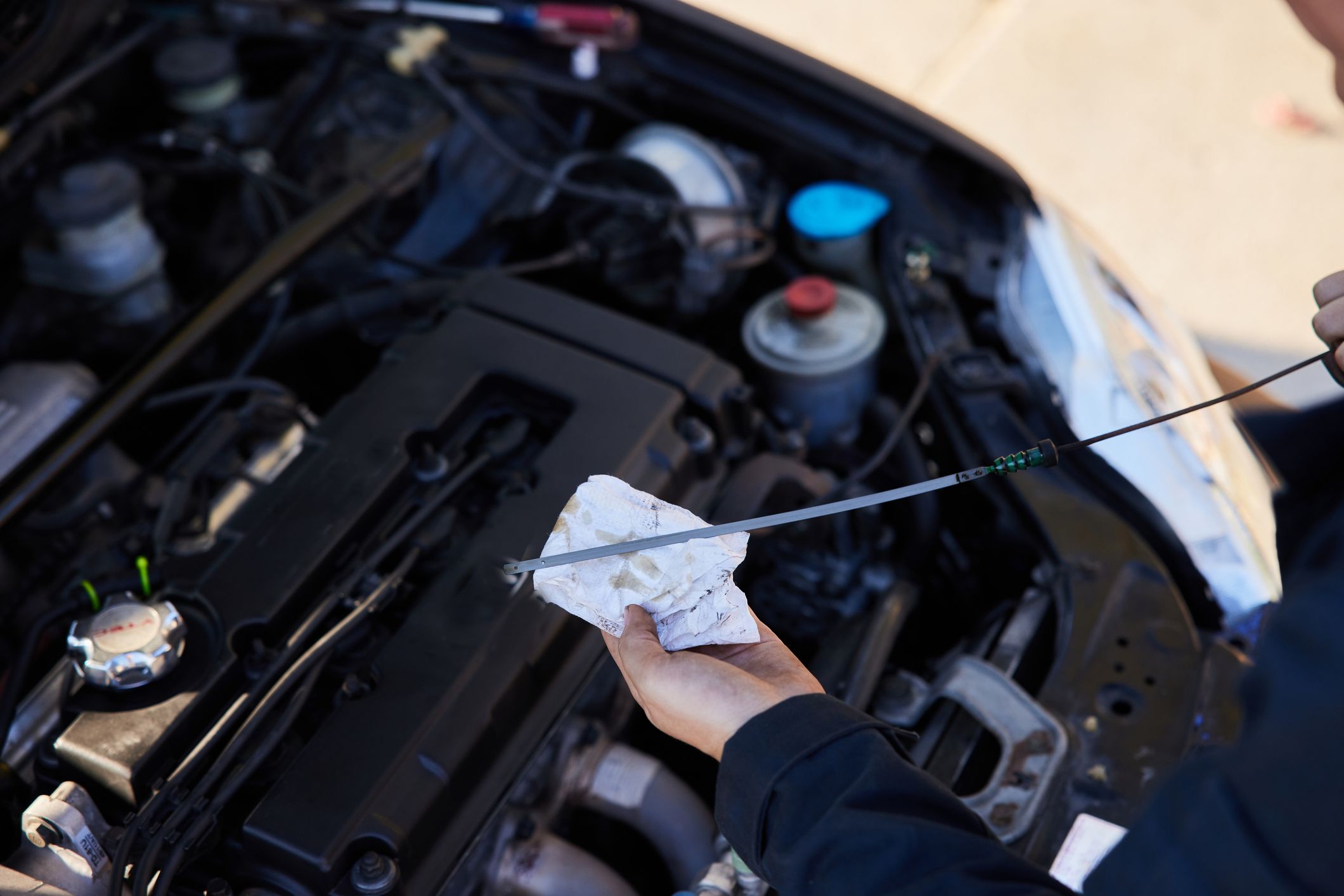

We’ve all been there: when life gets busy, that oil change you’ve been putting off gets ignored for longer than it should. But there’s a reason “never miss an oil change” is drilled into every new driver’s head. Engine oil is the critical fluid that keeps your engine healthy and your car running smoothly. Wait too long, and you’ll start to run into old engine oil symptoms that can lead to serious engine damage over time.
What Happens If You Wait Too Long For an Oil Change?
Delaying an oil change might not seem like a big deal at first, but it can lead to significant engine damage and costly repairs if left too long. Even long-lasting synthetic oil eventually breaks down and loses its ability to lubricate, clean, and cool your engine. When this happens, increased friction and temperature make your engine work harder while wearing down critical engine parts faster. What was once smooth, clean oil meant to protect your engine eventually turns into thick sludge that can clog up and overheat it.
Waiting too long between oil changes can result in:
- Reduced fuel efficiency
- Damage to internal components
- Sludge buildup that blocks oil flow
- Engine overheating
- In severe cases, total engine failure
The good news is that preventing engine wear and the costly repairs caused by old engine oil is as simple as getting regular oil changes. Bring your car to your nearest Tires Plus service center for a fast, professional oil change that will help maximize the life of your engine for many more miles to come.
6 Signs of Old Engine Oil
Go too long without an oil change, and you may notice a few things starting to affect your vehicle’s performance. Here are some key overdue oil change symptoms you'll want to keep an eye out for:
1. Engine Noise or Knocking Sounds
The primary job of your engine oil is to lubricate the many moving parts inside the engine. Clean oil creates a smooth barrier between those parts, reducing friction and noise. But as engine oil wears and collects contaminants, this lack of lubrication can cause engine parts to grind against each other, leading to noticeable engine noise or even knocking.
Whether it’s due to a leak or just old, ineffective oil, this is an early and important sign that your engine isn’t properly lubricated. Never ignore unfamiliar sounds coming from your engine, as they could lead to serious engine damage.
2. Contaminated Oil
Top up your engine oil, and you’ll notice that new oil is typically light brown or amber, with a clear, shiny appearance. However, as soon as it is added to an engine, it will look dark. Used oil clinging to the inside of the engine will overwhelm the color. So, color alone is not a good indicator.
If the oil appears contaminated with water, particulates, or anything that does not mix with oil, it should be investigated right away. The longer that same oil remains in your engine, the dirtier it will get as it collects dirt, debris, and contaminants circulating through it.
This problem only gets worse over time, because combustion engines naturally produce contaminants that collect in your engine oil. Checking your dipstick regularly is a simple way to monitor your oil condition. If the oil looks odd or gritty, it’s time for fresh, clean oil.
3. Engine Overheating
Can old oil cause overheating? Definitely. Another critical job of engine oil is to help regulate engine temperature by transferring heat. If the oil thickens and won’t flow freely, it will struggle to carry heat away from vital engine parts. Also, if sludge or varnish accumulates in the engine, it can coat the parts and insulate them from transferring heat, even without the coating. Not only does this hurt performance by making your engine run hotter than normal, but it also increases the risk of your engine overheating.
Overdue oil changes can lead to long-term heat damage in your engine, including warped components or complete engine failure.
4. Burning Oil Smell
If you notice a strong burning oil smell while driving, it could be old engine oil leaking onto hot engine components. Burning oil produces a thick, acrid odor that is generally unmistakable and should be addressed immediately by professionals.
5. Reduced Fuel Efficiency
Thick, sludgy oil makes your engine work harder than it needs to. The added strain from increased friction in your engine can reduce fuel efficiency, as it burns more gas to maintain performance.
Sticking to regular oil changes is a great way to keep your engine operating efficiently and make sure you’re getting the most out of every gas pump fill-up.
6. Check Engine Light & Other Warning Lights
With all the sensors in modern vehicles, your car typically does a good job of alerting you when something isn’t right. Old engine oil that’s starting to affect your vehicle’s health and performance may trigger a check engine light or even your oil warning light. Many vehicles also display the engine oil life as a percentage on the dashboard or center console.
An oil warning light typically indicates a problem with the oil pressure in your engine. Often, this means your engine is experiencing low oil levels or low oil pressure due to old oil that isn’t circulating properly.
Don’t ignore an illuminated oil warning light, as poor oil pressure can quickly lead to engine damage. Instead, bring your car into Tires Plus to get any dashboard warning lights professionally diagnosed by our trained technicians.
Why Are Regular Oil Changes Important?
Routine oil changes are one of the simplest and most effective ways to protect your engine in the long run. Clean oil keeps engine parts cool and lubricated, and slows down wear and tear, so you can get the most out of your engine’s performance and fuel efficiency.
While you shouldn’t worry about tracking oil changes down to the exact mile, staying consistent with regular oil changes based on your driving conditions and manufacturer’s suggested maintenance schedule helps:
- Maximize engine life
- Improve fuel efficiency
- Prevent sludge buildup
- Maintain strong performance
- Avoid expensive breakdowns
At Tires Plus, we make the process quick and easy. Our technicians can check your oil levels, recommend the right oil for your vehicle’s age and driving conditions, and ensure your oil change is performed properly so you can get back on the road smoothly.
How to Know if You Need an Oil Change
One quick way to know if you need an oil change is to check the date and mileage of your last oil change, typically listed on a windshield sticker provided by the service center that performed it. Depending on your vehicle and the type of oil in your car, you could be due for an oil change every 3,000 to 7,500 miles or more. Check your owner’s manual for recommended service intervals based on your specific make and model, and check to see if your dashboard tracks your engine oil’s life.
It’s also a good idea to get into the habit of regularly checking your engine oil dipstick, which indicates your car’s current engine oil level and any signs of contamination. If the oil level is low or appears contaminated, it’s likely time for an oil change.
Due for an Oil Change? Trust the Pros at Tires Plus
Think your oil change might be overdue? Old engine oil can lead to poor performance, overheating, and unnecessary wear. The pros at Tires Plus can check your oil condition and provide the right service to keep your engine protected. Schedule your oil change online or visit your nearest Tires Plus for fast, professional care.
--
Article Development Supported & Reviewed By:
Tires Plus’s Technical Operations Team
The Tires Plus’s Technical Operations Team is composed of ASE certified technicians with over 70 years of combined experience. ASE certification represents the highest standard of technical training in the automotive industry. Guided by Tires Plus's rigorous editorial standards, our team delivers timely, detailed, and practical resources drivers can trust to keep their vehicles running newer, longer.