If you’ve ever popped the hood and noticed your oil level mysteriously dropping or spotted blue smoke trailing behind you on the highway, you might have asked yourself, “Why is my car burning oil so fast?”
If you have, kudos to you — an engine that burns oil, especially one that does it quickly, is not something you want to ignore. When your engine is burning oil, it typically means engine oil is sneaking into the combustion chamber and getting burned along with your fuel. That’s not how things are supposed to go, and catching it early could save you from costly repairs and headaches later on.
Read on to learn what can cause engines to burn oil, the symptoms to watch out for, and what to do if you think your car is burning oil.
What Can Cause a Car to Burn Oil?
If you find yourself topping off oil more often than usual, it’s a red flag. Excessive oil consumption can be caused by a combination of wear and tear, faulty seals, and inadequate maintenance habits. Here are some of the most common causes of oil burning:
Worn Piston Rings or Cylinder Walls
Your piston rings create a tight seal between your pistons and the cylinders they ride in, keeping combustion gases in and oil out. Over time, both of these components can wear down due to friction, increasing tolerances, and allowing oil to slip past, which can burn during the combustion process.
Leaking Valve Seals
Valve seals prevent oil from dripping into the combustion chamber from above. If they’re distorted or have hardened or cracked, oil can sneak through.
Faulty Positive Crankcase Ventilation (PCV) Valve
The PCV system helps regulate pressure inside your engine by re-routing unburned fuel and combustion gases from your engine's crankcase back into the intake manifold to be re-burned. A stuck closed PCV valve can lead to excess crankcase pressure, which can force oil past gaskets and seals causing leaks. A stuck open PCV valve can suck excess oil vapor into the combustion chamber, causing your engine to burn oil.
Wrong Oil Type or Poor-Quality Oil
Using a wrong or poor quality oil may lead to reduced lubrication, which can cause increased heat within the engine as parts rub together, and can cause damage to seals which leads to oil leaks.
Poor Maintenance
When was the last time you brought your car in for an oil change? If the answer is essentially “never,” you may have a clogged oil filter or sludge buildup in your oil passages, which can increase oil pressure and cause oil to bypass seals or gaskets. With enough blockages, the outcome can be even worse — decreasing your oil pressure in crucial areas and causing serious mechanical wear that can result in internal engine damage.
Engine Burning Oil: Symptoms
Oil burning or excessive oil consumption can sneak up quietly — no warning lights, no puddles, just subtle clues that something under the hood isn’t happy. Fortunately, paying attention to these small signs early can save you from bigger, pricier problems down the road. Here’s what to look, listen, and smell for:
- Blue Smoke: When oil burns inside the combustion chamber, it turns your exhaust a hazy shade of blue. You might see it when you first start the car, after it idles for a bit, or when you accelerate. Unfortunately, while it might look like the smoke screen from a James Bond vehicle, it’s not a cool party trick — it’s a sign that oil is slipping into your combustion chamber and getting torched with your fuel.
- A Burning Smell: If it smells like something is frying under the hood, but you’re not at a tailgate, your car could just have an oil leak that’s dripping onto hot engine parts like exhaust pipes. However, this can also be a sign of oil being burned in the combustion chamber.
- Low Oil Levels: If you haven’t noticed any leaks, but you find that you’re topping off between oil changes more often, it’s a clue that oil is disappearing inside your engine instead of onto your driveway. It’s worth noting that the oil light typically won’t trigger until levels drop to dangerously low levels, so make regular oil checks part of your routine.
- Low Oil Pressure: There are several causes of low oil pressure, including burning oil. If your oil pressure warning light flickers on — or you notice a ticking or knocking sound — it could mean your engine isn’t getting the oil pressure, and therefore, the lubrication it needs.
- Rough Running or Misfires: When oil makes its way into the combustion chamber, it can foul your spark plugs and mess with the air-fuel ratio. The result? A rough idle, poor acceleration, or random misfires that make your car feel sluggish.
No matter the symptoms, if you’re running through engine oil faster than a teenager goes through “gas” money, it’s time for a professional diagnosis. Our team can inspect your vehicle and determine whether you’re losing oil due to simple leaks or internal burning, so that your car can stay where it belongs—on the road.
What to Do If Your Car Is Burning Oil
If you think that your car is burning oil, here’s your action plan:
- Use the Right Oil and Filter: Always use the recommended engine oil weight and a high-quality oil filter. Using the wrong type of oil or a low-quality filter can exacerbate the issue.
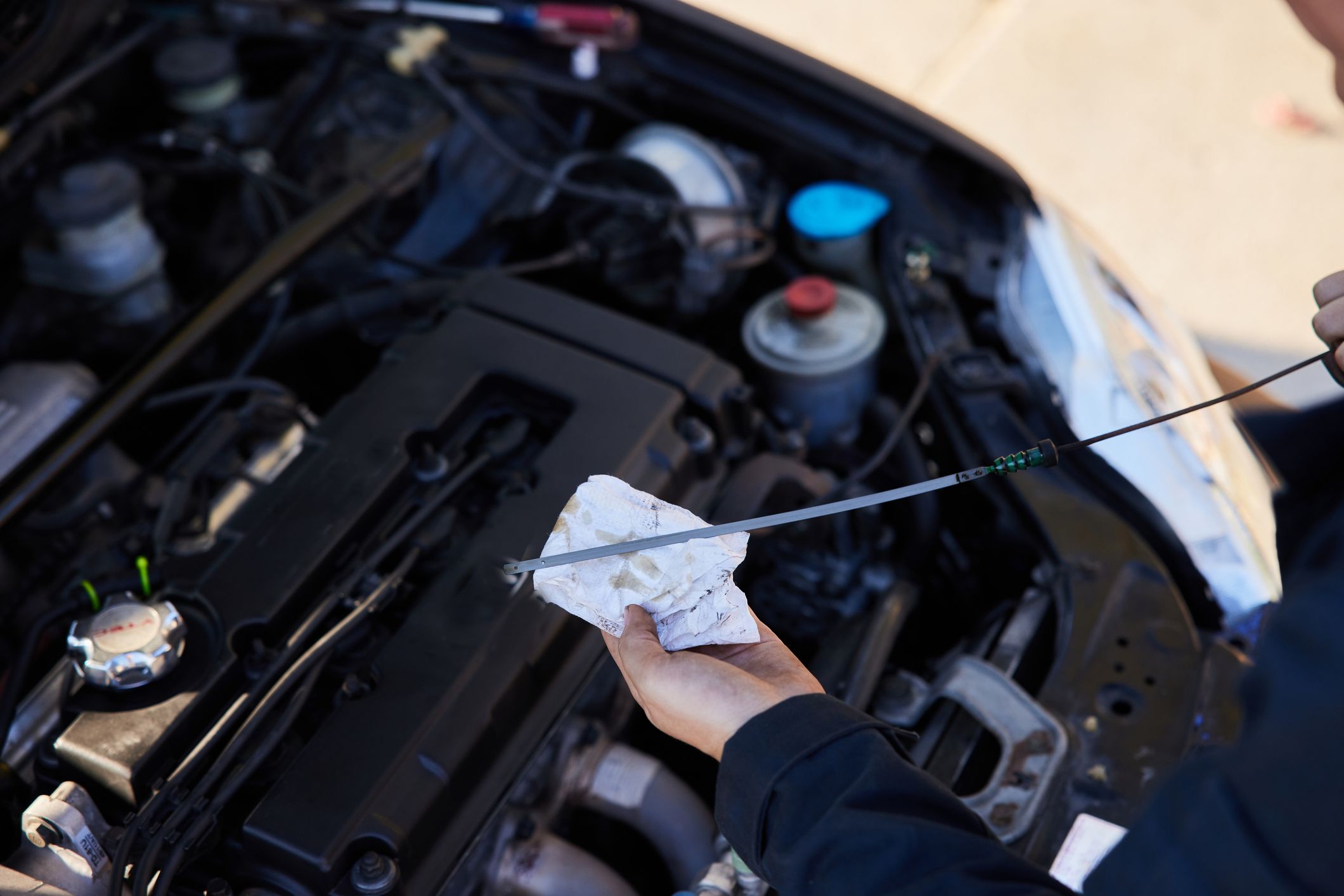
- Check Oil Levels Regularly: Until the issue is fixed, check your dipstick weekly and top off when needed to help prevent catastrophic engine damage.
- Get a Professional Diagnosis: Certified technicians, like the ones at Tires Plus, can help determine what’s causing your engine to burn oil, whether it’s leaky piston rings, valve seals, or faulty PCV valves.
- Address the Root Cause: Adding oil may keep you going for a while, but it’s not a fix. If oil consumption continues, ignoring it can cause serious engine wear, leading to increased costs in the future.
Is Your Engine Burning Oil? Tires Plus Is Here to Help
Seeing blue smoke or noticing your oil disappearing fast? Your engine could be burning oil — and it’s best to act early. Visit your local Tires Plus for a professional inspection and professional recommendations to keep your engine running clean. Schedule your appointment today.